
 EN
EN

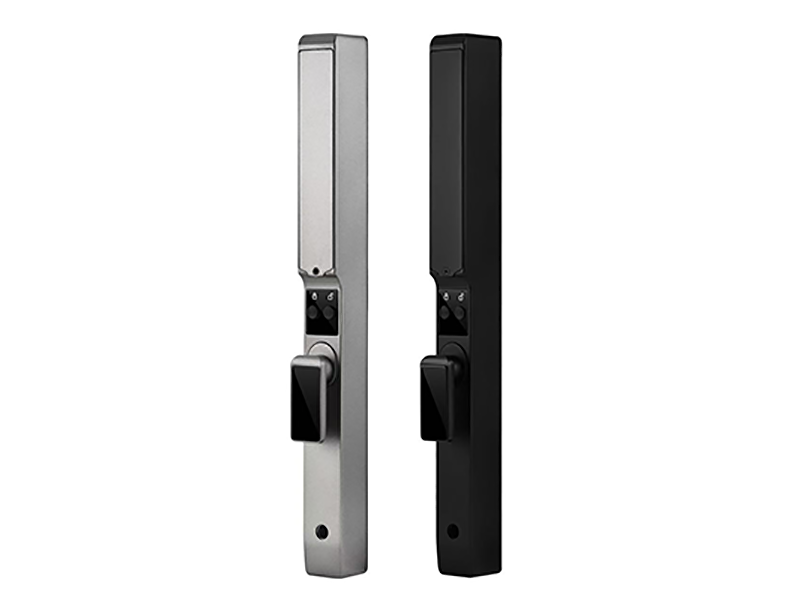
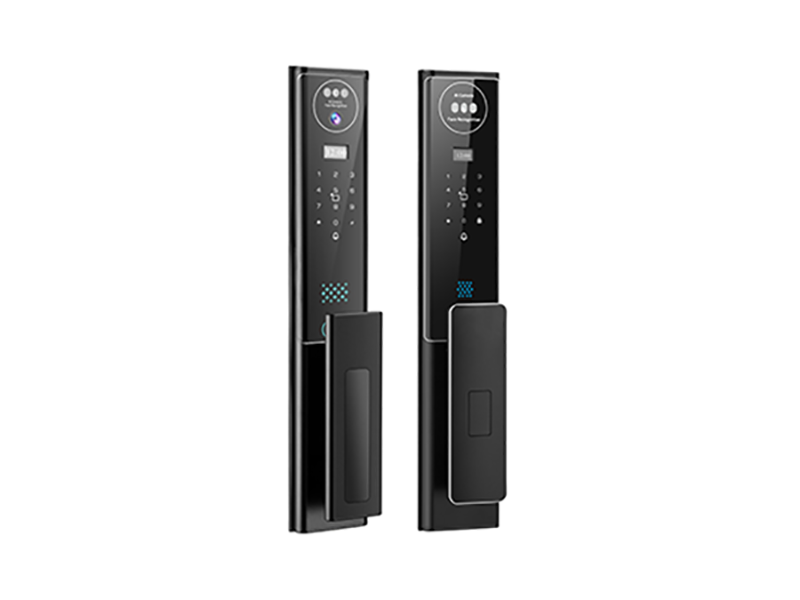
If you have ever scrolled through smart lock security reviews on social media or video platforms, you have likely seen this alarming demonstration: a tester holds a palm-sized device with a copper loop coil—often called the "Little Black Box"—waves it near a smart lock, and within seconds, the lock beeps and springs open.
This device, structurally known as a handheld EMP generator, once sent shockwaves through the consumer market, causing many to question the safety of keyless entry. But how exactly does this "Little Black Box" work? And are modern smart locks truly that vulnerable? Today, we will dive into the science of electromagnetism to reveal how modern smart locks build their digital armor.
1. What is the "Little Black Box"? Unveiling the Tesla Coil Exploit
In the security industry, the "Little Black Box" is professionally categorized as a High-Frequency Electromagnetic Pulse (EMP) Generator. Its underlying technology relies on a principle most people are familiar with: the Tesla Coil.
When the button on the device is pressed, it generates tens of thousands of volts of high-frequency electromagnetic pulses in a split second, radiating them into the surrounding air. If these intense electromagnetic interference (EMI) waves get close to an unprotected electronic device, they induce a sudden voltage spike within its circuitry.

Why Were Early Smart Locks So Easily Tricked?
Early generation or low-end smart locks suffered from severe flaws in their circuit architecture:
① Microcontroller (MCU) Crash and Reset: The powerful EMP induced an abnormal current in the lock's internal wiring, instantly overloading the Main Control Unit (MCU) and causing it to crash.
② The "Default-to-Open" Software Defect: In poorly written firmware, the system was coded to automatically trigger the motor's "unlock" command upon rebooting or recovering from a crash. Intruders exploited this system-reset loophole to bypass the lock without any physical damage.
2. The Three Lines of Defense: How Modern Smart Locks Achieve 100% Immunity
Fortunately, the "Little Black Box" vulnerability is a relic of the past. Today, any reputable smart lock must pass strict Electromagnetic Compatibility (EMC) tests before hitting the market. A premium smart lock relies on three robust layers of defense to completely neutralize EMP attacks:
Voltage and Overvoltage Protection Chips
Modern smart lock mainboards integrate highly sensitive voltage regulating chips. When an EMP device strikes and generates an induced current, these chips act like a digital fuse—instantly absorbing and directing the excess voltage safely to the ground wire, keeping the main controller completely unbothered. Furthermore, modern firmware is hardcoded to a "Default-to-Locked" state; even if the system resets, the door remains securely deadlocked.
Physical Electromagnetic Shielding (The Faraday Cage Effect)
Utilizing the principles of a Faraday Cage, the core electronic components of a high-quality smart lock (such as the mainboard in the front panel and the communication modules) are encased in a metal shielding enclosure or protected by a high-density metal outer housing. This metal barrier acts as a shield, absorbing and deflecting external electromagnetic pulses, ensuring the internal circuitry remains in a state of absolute electrostatic equilibrium.
Isolated Drive and Control Circuitry
This is the ultimate mechanical and electrical decoupling. Modern smart locks physically isolate the authentication circuitry (located in the front panel) from the motor drive circuitry (deep inside the rear panel or mortise lock body). Even if the front panel is subjected to extreme electromagnetic bombardment and completely paralyzed, it is physically impossible for it to send an unauthorized electrical unlock signal to the isolated motor inside the door.
Key Takeaway:
Modern smart locks certified by international EMC standards (such as Europe’s CE-EMC and the US’s FCC Part 15) are 100% immune to "Little Black Box" or EMP jammer attacks.
3. Global Buyer’s Guide: How to Avoid Electromagnetic Loopholes
While mainstream brands have entirely solved this issue, global buyers should keep the following criteria in mind to guarantee ultimate security:
Prioritize All-Metal Front Panels: Choose locks featuring front panels made of solid zinc alloy or 304 stainless steel. Metal naturally provides superior electromagnetic shielding compared to cheap plastics.
Beware of Ultralow-Cost generic Brands: "No-name" smart locks sold on cross-border e-commerce platforms at cut-rate prices often cut corners by removing voltage regulators and shielding plates from the mainboard. These uncertified products remain highly vulnerable.
The "Little Black Box" isn't an unstoppable magic trick; it was simply a hack that exploited a historic lack of safety awareness among early manufacturers. At Jijia Intelligent Technology, every single lock we manufacture must undergo extreme High-Voltage Electrostatic Discharge (ESD) and high-intensity electromagnetic field stress testing before leaving the factory. The evolution of smart home tech is a continuous game of chess, and we ensure our physical and digital defenses are always two steps ahead of the hackers.