
 EN
EN
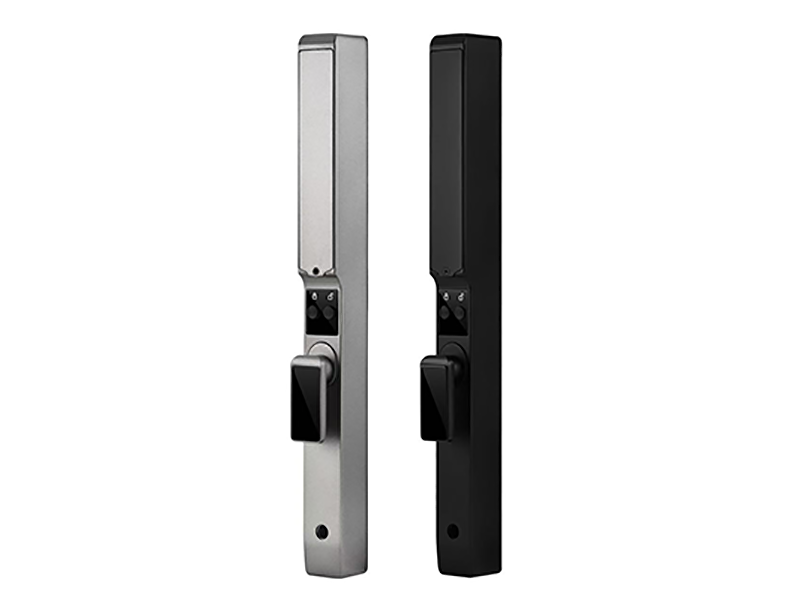
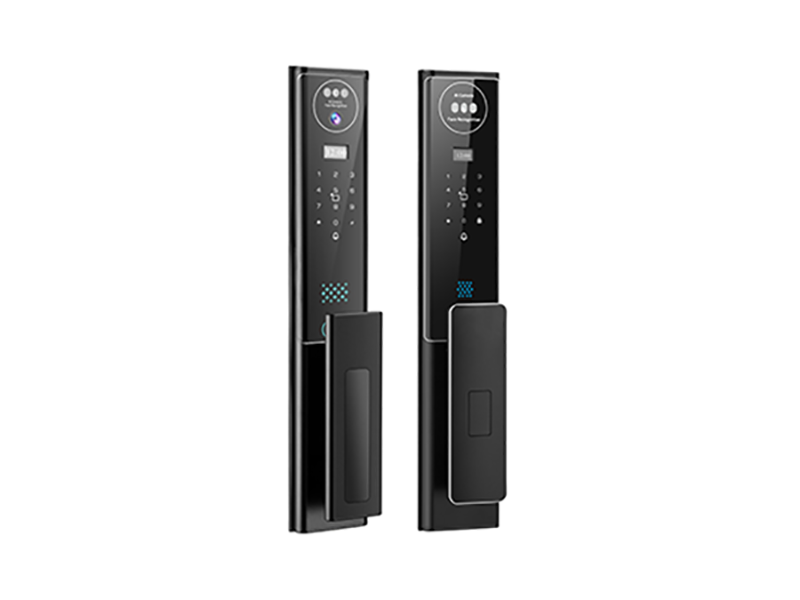
When shopping for a smart lock, it’s easy to be captivated by high-tech features like 3D facial recognition, remote mobile unlocking, or seamless smart home integration. However, as the primary gateway to your home, the essence of a smart lock remains the "lock" itself.
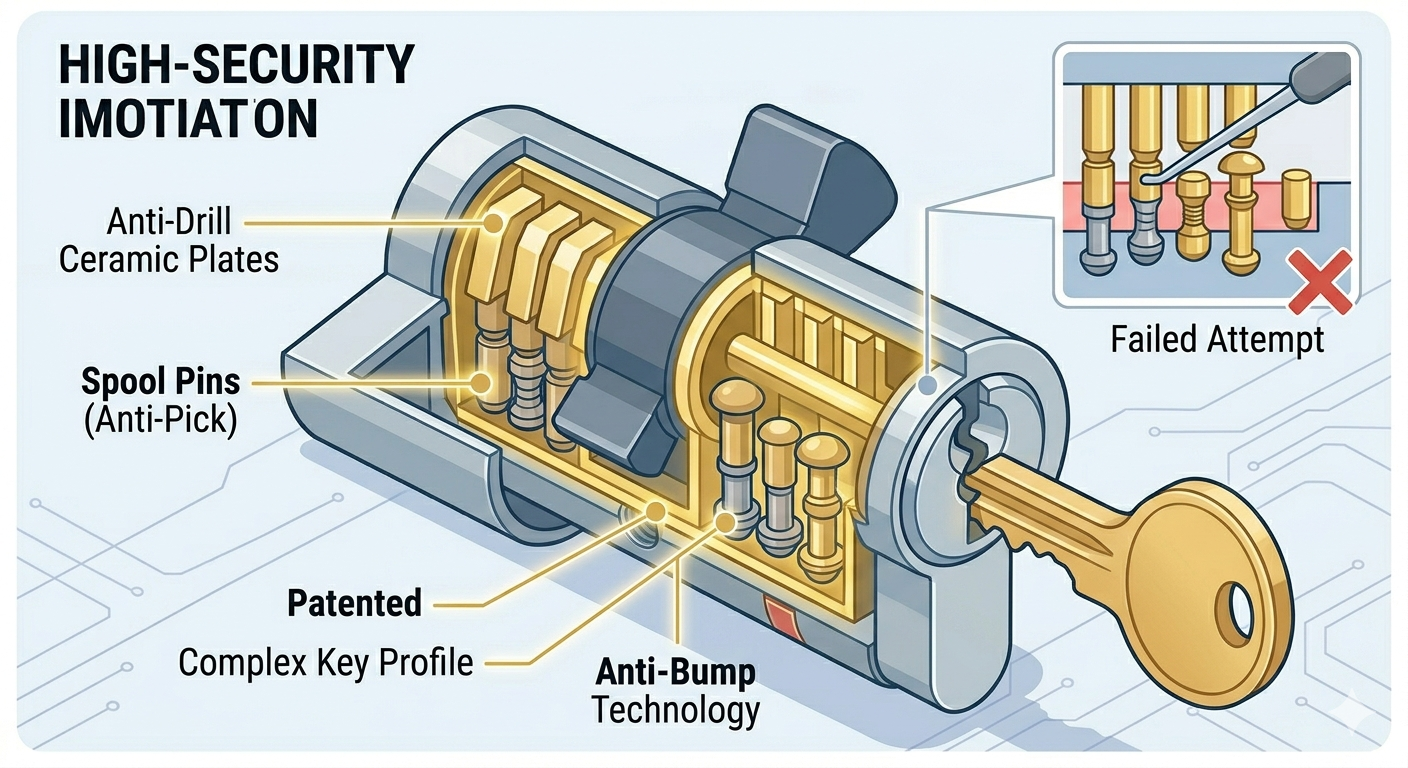
Regardless of how advanced the electronic system is, the physical cylinder serves as the ultimate failsafe for home security. Today, we will dive into the technical logic of high-security cylinders and explore how Chinese safety standards align with the world’s leading benchmarks.
1. Security Grades: Mapping Chinese vs. International Standards
In the context of global trade, understanding different regional security standards helps us objectively evaluate a lock’s "attack resistance."
The Chinese Benchmark: GA/T 73-2015
In China, the Ministry of Public Safety classifies mechanical cylinders into three grades: A, B, and C. Class C (also known as Super B) is currently the highest standard for residential use. Its core metric is "Technical Opening Resistance Time," requiring the cylinder to withstand professional picking attempts for at least 270 minutes.
International Standards Correspondence Table
For global homeowners and contractors, here is how Class C compares to the most recognized international standards:
|
Security Level |
Chinese Standard (GA/T 73) |
U.S. Standard (ANSI/BHMA) |
European Standard (EN 1303) |
|
Basic Security |
Class A |
Grade 3 |
Class 1-3 |
|
Intermediate |
Class B |
Grade 2 |
Class 4 |
|
High Security |
Class C |
Grade 1 (Highest) |
Class 6 / Grade D (Top Attack Resistance) |
The Verdict: A cylinder meeting the Chinese Class C standard is typically equivalent to an ANSI Grade 1 or an EN 1303 Grade D cylinder. This represents elite resistance against drilling, prying, and sophisticated picking techniques.
2. The Physical Defense: Your Digital Safety Net
Why do we still emphasize the mechanical cylinder in an age of encrypted algorithms and biometrics?
Reliability During Electronic Failure: In extreme cases of humidity, circuit malfunction, or total battery depletion, a mechanical key is your only way in. A high-grade cylinder ensures this "emergency lane" is accessible only to the owner.
Countering Physical Force: Smart locks can block hackers, but they cannot always stop brute force. High-security cylinders utilize hardened steel pins and ceramic anti-drill plates to snap drill bits and resist heavy impact.
3. Cylinder Structure: Central vs. Bottom-Positioned (An Objective Analysis)
Smart lock designs generally utilize two types of cylinder placements: the "Through-body (Central)" and the "Bottom-positioned" cylinder. Neither is definitively "better"; rather, they are engineered for different scenarios.
Central Through-body Cylinder
This cylinder passes directly through the door and integrates with the internal mortise.
The Advantage: Maximum Structural Security. Even if the exterior panel is violently removed, the cylinder remains encased deep within the door frame, preventing intruders from simply turning the motor to unlock the door.
The Trade-off: It requires precise hole alignment and has narrower compatibility with diverse door types.
Bottom-Positioned Cylinder
The cylinder is located at the lower section of the panel and connects to the mortise via a drive rod.
The Advantage: Superior Compatibility. This structure is the premier choice for retrofitting old doors and slim-frame doors (such as thermal break aluminum doors). It allows for a sleeker aesthetic and easier installation without massive structural changes to the door.
The Trade-off: Structurally, it is slightly more vulnerable to specific types of brute force compared to through-body designs. However, when equipped with a Class C / ANSI Grade 1 core, it remains more than sufficient for the vast majority of high-end residential apartments and villas.
Smart technology brings convenience, but physical defense brings peace of mind. At Jijia Intelligent Technology, we are committed to providing global users with mechanical cores that meet the highest international standards. We believe that while intelligence is in the software, true security is forged in steel.