
 EN
EN
Have you ever instinctively looked over your shoulder when entering a passcode in a public place, worried that someone behind you might be watching? Have you ever hesitated about sharing your real passcode with friends or neighbors who need temporary access? These subtle anxieties reveal the core flaw of traditional passcode entry—once your code is seen, your security is compromised. A seriously underestimated feature is quietly changing this: the Disguised Passcode. It is an essential privacy protection tool for any true Privacy smart lock.
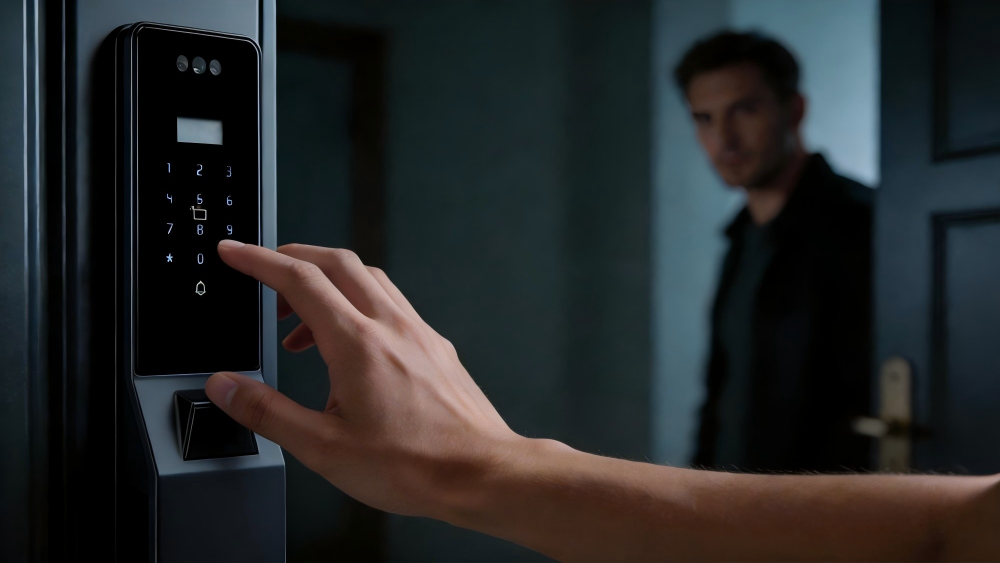
The Dilemma of Passcodes: Seen Means Stolen
The fatal weakness of traditional passcode entry lies in its visibility. In hallways, elevator lobbies, and doorways, the process of entering a passcode is completely exposed to the surroundings. Neighbors waiting behind you, passersby, or even cameras installed in elevated positions can all become channels for passcode leaks. Once your real passcode is known to someone else, the only remedy is to change it—a cumbersome process that often requires notifying all family members or frequent visitors of the new code, creating inconvenience and disruption.
This issue is especially pronounced in shared apartments, short-term rentals with high turnover, and villas with numerous visitors. Every time a passcode is shared, security takes a hit. A true Privacy smart lock that genuinely cares about user privacy must fundamentally solve this problem.
Disguised Passcode: Making Your Real Code Invisible
The working principle of a Disguised Passcode is simple yet ingenious. Users can add random digits of any length before and after their real passcode. The system only recognizes the consecutive correct sequence, ignoring the random digits added before and after.
For example, suppose your real passcode is 123456. You could enter 32123456789—as long as the correct six digits are entered consecutively, the system will recognize them and unlock the door. This means even if someone watches you enter, they cannot accurately extract your real passcode from the dozen or more digits they witnessed.
For an excellent Privacy smart lock, the core value of the Disguised Passcode is that your real passcode only needs to be known by you. You can generate different code strings with random digits for different people. They simply need to enter the full string you give them to unlock the door, without ever knowing which part is the actual passcode.
Four Scenarios: The Practical Value of Disguised Passcode
1. Public Hallways and Elevator Lobbies
When neighbors are waiting behind you, you enter your own passcode—but you do not enter a clean six-digit number. Instead, you enter a long string with random digits mixed in. Onlookers see a dozen or more random numbers and cannot extract your real passcode. The peace of mind behind your composed demeanor comes from the Disguised Passcode feature.
2. Friends and Family Visiting
You do not need to share your real passcode. Simply add a few random digits before and after your real code to generate a string like 35211234569087 and tell them enter this string to open the door. They can enter the full string and get in, but they will never know your real passcode is 123456. Even if this string is seen by others, they cannot tell which part is the actual passcode.
3. Shared Housing and Short-Term Rentals
When a new roommate or short-term guest moves in, you can generate a unique code string with random digits just for them. After they move out, you simply delete that code—no need to change the lock cylinder or modify your master passcode. If you are concerned about the code being compromised, you can generate a new random string for them at any time. Your real passcode always remains in your control.
4. Use by Children and Elderly
For children or elderly family members who may have trouble remembering long sequences, the Disguised Passcode offers a more forgiving experience. If they input wrong digits while entering, there is no need to panic and clear everything to start over—they can simply continue entering the correct passcode sequence, and the system will recognize it. This error tolerance significantly lowers the barrier to use.
The Underlying Logic of Privacy Protection
The reason the Disguised Passcode has become an essential feature of the Privacy smart lock is that it decouples the concept of passcode from what is entered. Your real passcode is a secret you keep to yourself. What you share with others is a wrapped string of digits. Even if that string is exposed, your real passcode remains safe.
This design philosophy reflects a deep understanding of user privacy by modern smart locks: true privacy protection does not require users to become more cautious; it uses technology to ensure they receive adequate protection even during natural, everyday use. It protects not just a single input, but the passcode itself—no matter how many times a code string is seen, as long as the real passcode is not accurately extracted, security remains intact.
The Underestimated Features Are Often the Truly Thoughtful Ones
When choosing a smart lock, people are often drawn to flashy features while overlooking the simple designs that truly protect daily life. The Disguised Passcode is exactly that—it will not be the centerpiece of advertisements, but it will silently safeguard your privacy every time you enter a passcode.
An excellent Privacy smart lock cares not only about who gets in, but also about whether the process of getting in is secure. The next time you calmly enter a long string of digits in a public hallway, or generate a unique code string for a friend, you might remember: that peace of mind comes from an underestimated yet incredibly thoughtful feature.