
 EN
EN
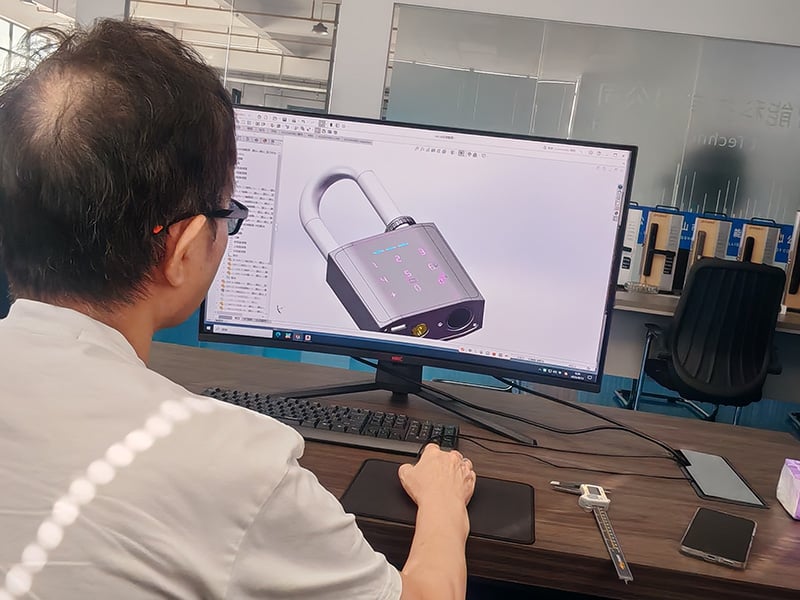
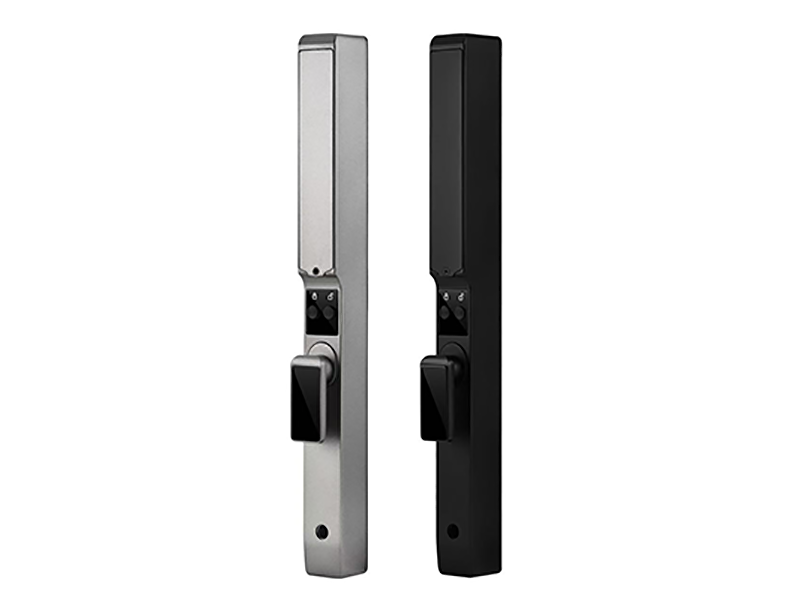
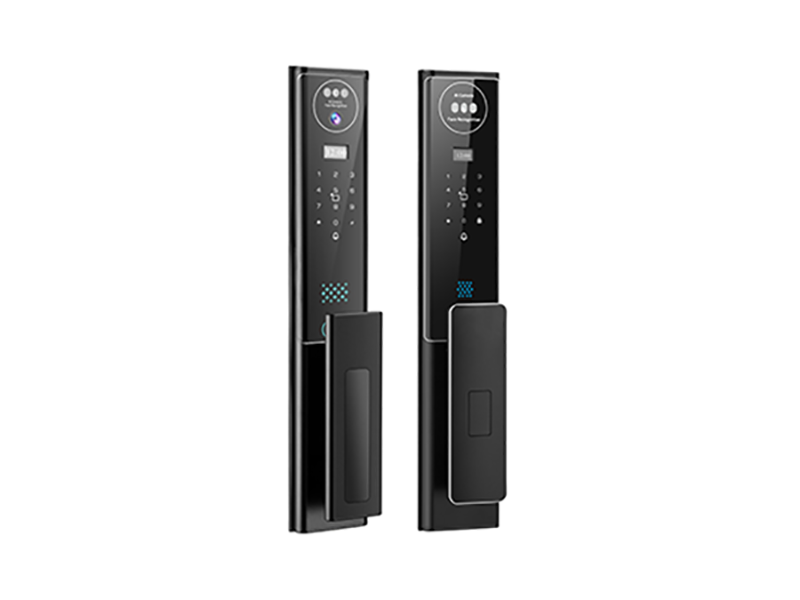
When we discuss security, door locks remain the first physical line of defense protecting property and privacy. Throughout history, the form of door locks has continuously evolved, always centered around two core objectives: enhancing security and optimizing the user experience. Today, we stand at a pivotal point in the Smart Lock Evolution—transitioning from passive mechanical devices into active, intelligent security nodes. This is not merely a technological upgrade but a fundamental transformation in the philosophy of security.
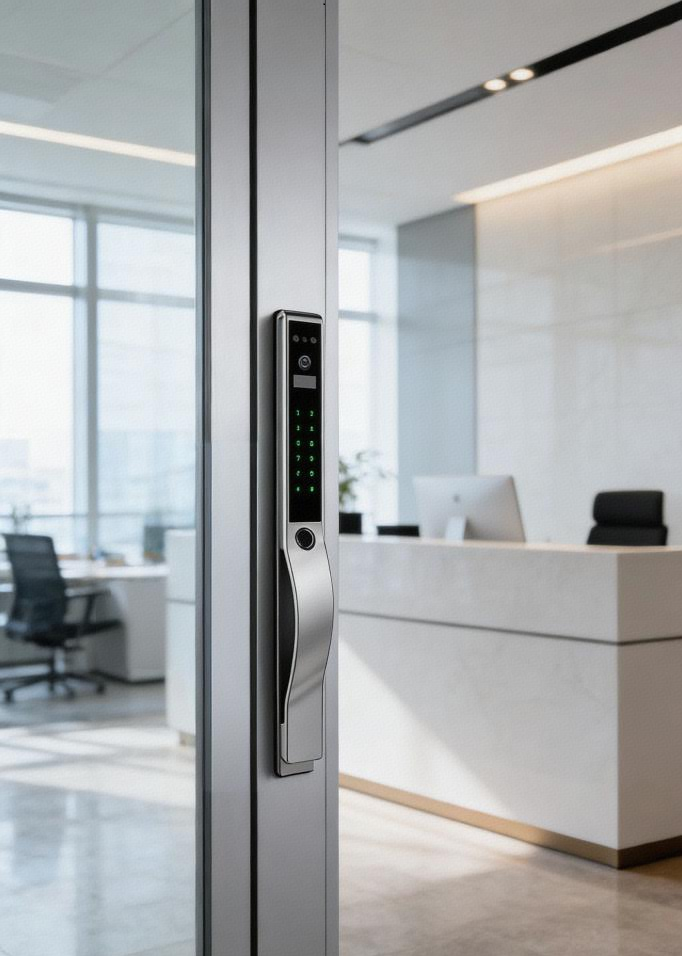
The Limitations of Traditional Locks: The Eternal Conflict Between Security and Convenience
For over a century, the complexity of mechanical lock cylinders increased, yet their fundamental principle remained unchanged. The core issues with traditional locks are:
1. The Burden of Keys: Physical keys are easy to lose and duplicate. Distributing them to multiple people makes management difficult, and revoking access is almost impossible.
2. Passive Defense: They cannot record who entered or when, and offer no warning against forced entry or lock-picking.
3. Inflexible Management: Changing administrators or tenants necessitates replacing the entire lock cylinder, a costly and cumbersome process in scenarios like hotels, apartments, and offices.
These limitations fueled the market's demand for a better solution, directly driving the birth and development of electronic and smart locks.
The Evolution of Smart Locks: Redefining the Dimensions of "Security"
The Evolution of smart locks is not simply about replacing keys with fingerprints; it's about constructing a multi-dimensional security system:
* The Evolution of Authentication: From "what you have" (a key/card) to "what you know" (a PIN), and now to "who you are" (live biometrics). Technologies like semiconductor fingerprint recognition and 3D facial recognition have elevated the accuracy and anti-spoofing capabilities of identity verification to new heights.
* The Evolution of Security Posture: From passive defense to active intelligence. Modern smart locks integrate proactive protective features such as anti-tamper alarms, intrusion lockout after multiple failed attempts, and passcode obfuscation. They can also send real-time status notifications via mobile apps, allowing users to monitor their door's security anytime, anywhere.
* The Evolution of Management Mode: From physical key management to digital access control. Through mobile applications, administrators can remotely issue, modify, or revoke temporary codes or digital keys for family members, tenants, or employees. Access management becomes instant, precise, and trace-free. The design of locally encrypted data storage further ensures convenience while protecting core biometric data from cloud-based leaks.
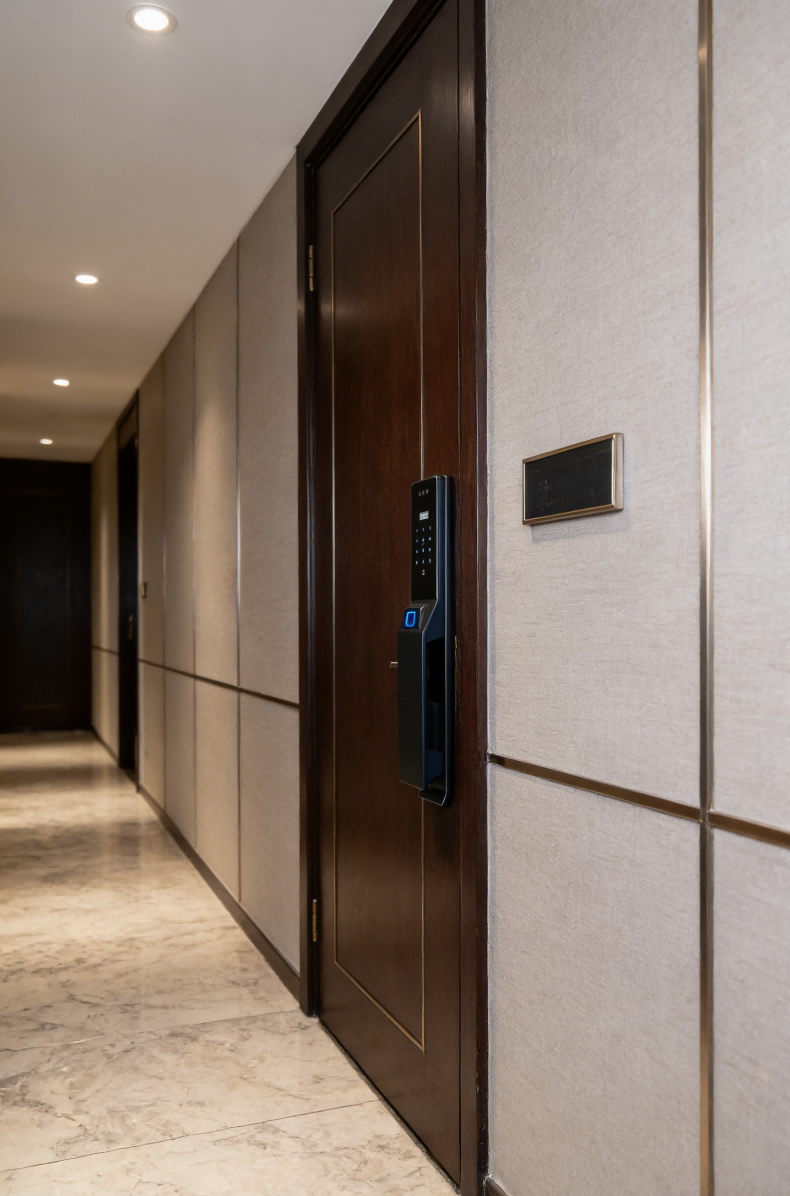
The Future Direction: From Standalone Device to Ecosystem Hub
The next phase of the current Smart Lock Evolution is already clear: transitioning from an independent smart device to the central hub of an integrated smart security and home automation ecosystem. It will interconnect with cameras, alarms, and lighting systems to enable sophisticated automated scenarios (like "auto-arm when leaving"). In the commercial sphere, smart locks will become key tools for digital transformation, cost reduction, and efficiency gains in property management and hotel operations.
Choosing a smart lock is, in essence, choosing to embrace an irreversible evolution in security. It solves not only the annoyance of forgotten keys but also, through the power of technology, transforms security from a static "state" into an actively managed, traceable, and alert-enabled "service". This Smart Lock Evolution represents more efficient management, multi-layered protection, and an intelligent experience, ultimately delivering a deeper, more profound peace of mind. It is more than an upgrade to a lock; it is a new chapter in how we protect what matters most.