
 EN
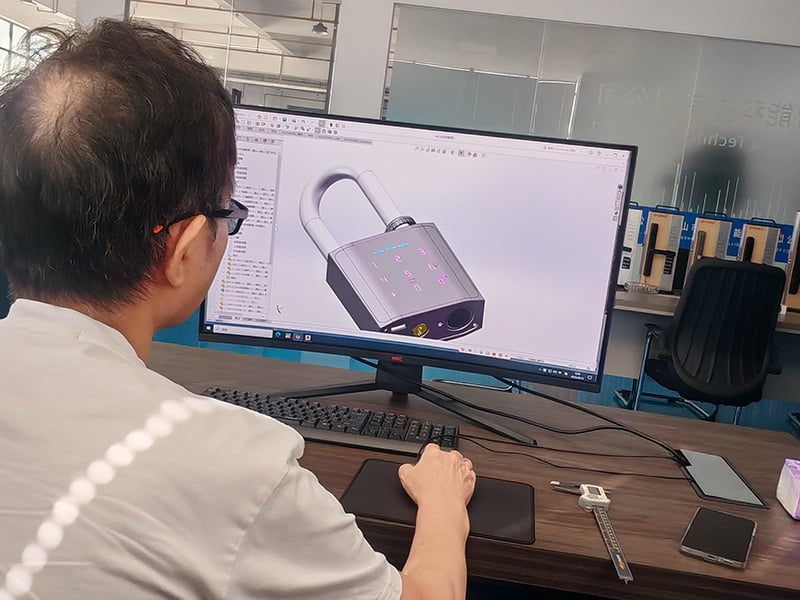
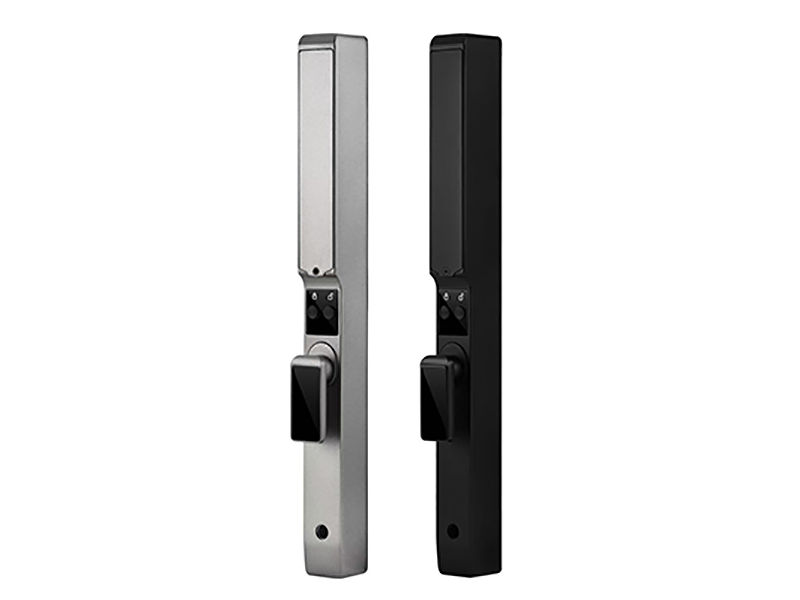
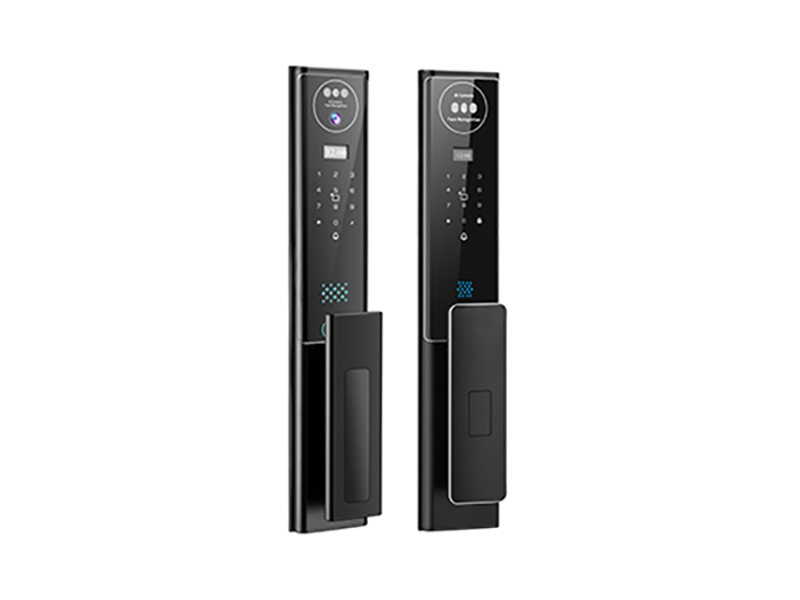
The last five minutes before a trip are always rushed: bags by the door, a taxi waiting, one final sweep of the house. That's exactly when door security gets forgotten—and exactly when it matters most, because an empty house is a more attractive target than an occupied one. A smart lock makes this part of travel prep quick and verifiable. Here's the checklist worth running through every time you leave.
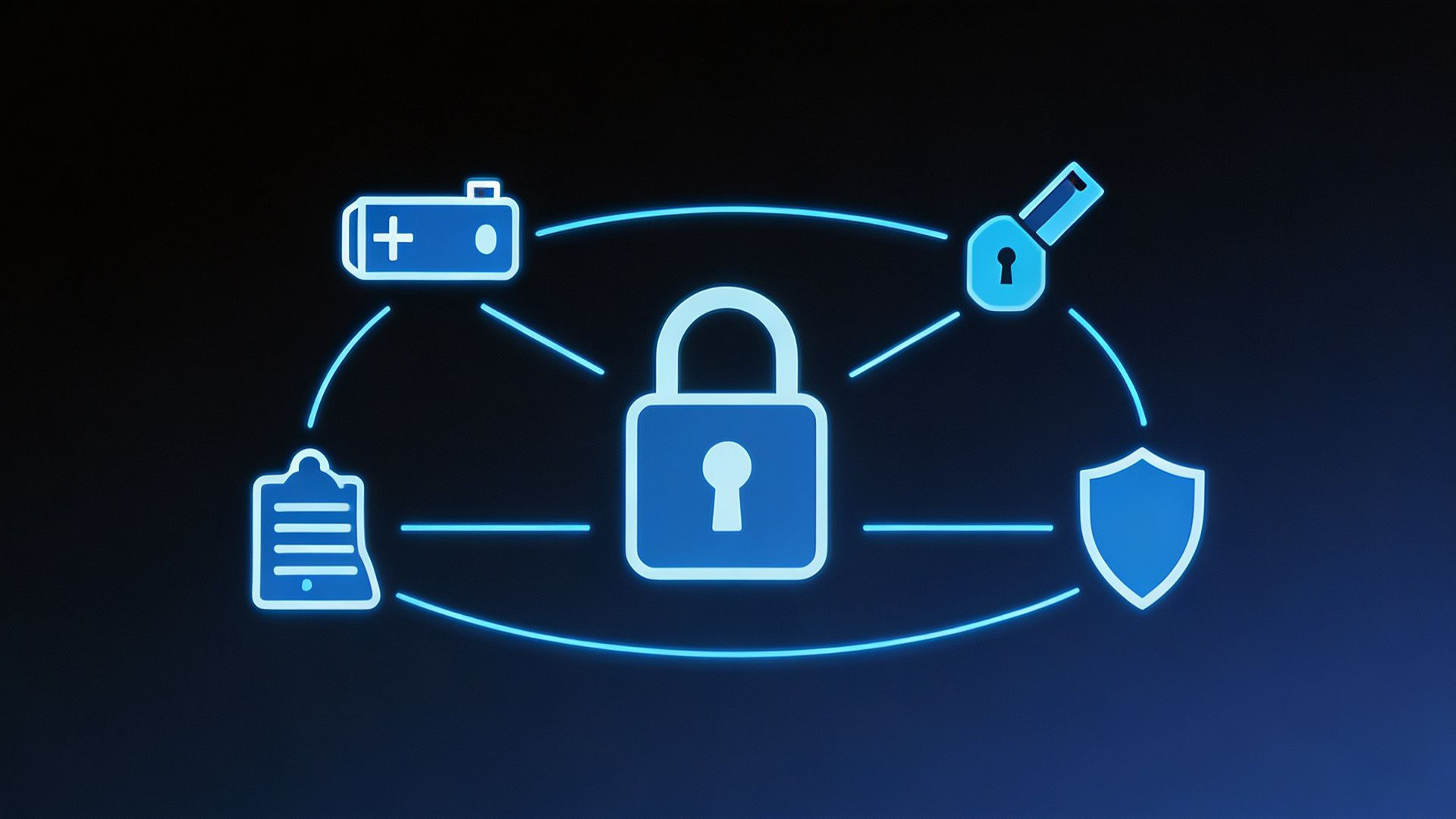
Check the Battery Before Anything Else
The worst possible outcome of a trip is coming home to a lock whose batteries died while you were away—especially if family or a neighbor needs to get in before you return. Two weeks before you leave, open the app and check the battery level. If it's below half, replace the cells now rather than the morning of departure.
If your lock shows a percentage, note that cold weather and heavy use drain batteries faster than the number suggests. A fresh set costs very little and removes an entire category of worry from your trip.
If your lock has an emergency power port, keep the power bank at home rather than packing it. It exists to get you or a neighbor back inside through a dead battery—not to travel with you.
Don't Hide a Spare Key Outside
Leaving a key under the mat, in a flowerpot, or in a fake rock is the oldest bad habit in home security—and it's the first thing anyone looking for easy entry will check. A smart lock lets you stop doing it entirely. You don't need a hidden key, because nobody needs a physical key to get in.
Instead, leave one key inside the house and give a trusted neighbor your contact details. If they ever need access in an emergency, you can unlock the door for them remotely or share a one-time arrangement before you go.
Confirm the Door Is Actually Locked
Before you walk out, lock the door and check the status in the app rather than assuming. Auto-lock is convenient, but a door that didn't fully close won't lock properly, and you'll never know from the driveway. A status check takes seconds and confirms what the deadbolt is actually doing.
If your lock reports door status—locked, unlocked, or ajar—pay attention to ajar. That's the one state that turns a locked door into an open invitation.
Review the Activity Log
The activity log is the quiet hero of a smart lock when you're away. Before you leave, glance at recent entries to confirm nothing unusual has happened: unlocks you don't recognize, late-night entries, or repeated failed attempts.
While you're traveling, a quick look once a day is enough. You don't need to watch it constantly—you just need to know that the only entries are the ones you expect.
Make Sure the Alarm and Alerts Reach You
If your lock supports a tamper alarm or forced-entry alert, confirm it's enabled and that notifications are reaching your phone. Test it before departure by triggering a harmless alert, so you know the notification path works while you're in another time zone.
Also check that the person watching your house knows what to do if you call them about an alert—who to contact, whether to enter, and where the emergency key is kept.
The Five-Minute Departure Walk-Through
Before the taxi arrives, run this sequence: fresh batteries confirmed, door locked and verified in the app, no spare key hidden outside, neighbor holding a key and your number, alerts enabled and tested, and sliding doors and garage entry checked as well. Five minutes of checking replaces two weeks of wondering.
While you're at the door, test each way in—fingerprint, PIN, and the physical key—so you know all three work before you rely on them from the other side of the country.
Coming Home Is the Easy Part
One of the small pleasures of keyless entry is arriving home with luggage, jet-lagged, in the dark—and opening the door with a finger instead of fumbling for keys in a coat pocket. The same lock that secured the house while you were gone gets you inside without a search.
That symmetry is the real argument for a smart lock over a traditional one. It protects the house when you're away and removes friction when you return, using the same hardware and the same habits.
Conclusion: Leave With Certainty, Not Hope
Travel security isn't about complicated equipment—it's about a short list of checks done before you walk out. Confirm the battery, lock and verify the door, refuse to hide a spare key, review the log, enable alerts, and leave someone trustworthy with access. Do those six things and you'll leave with certainty rather than hope, which is exactly what a good lock is for.