
 EN
EN
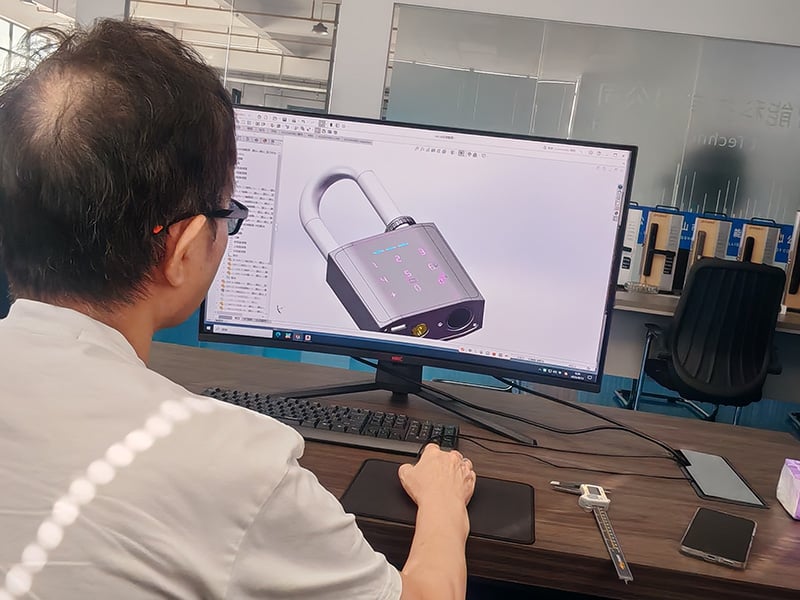
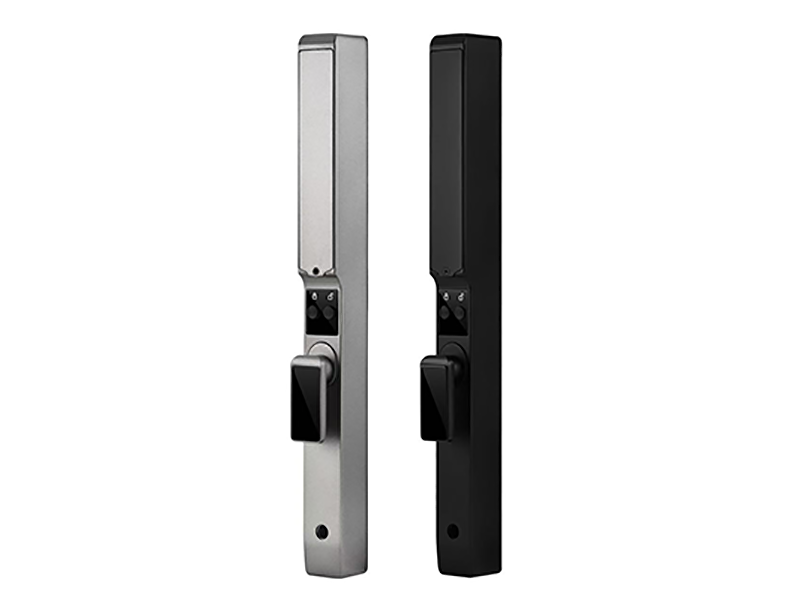
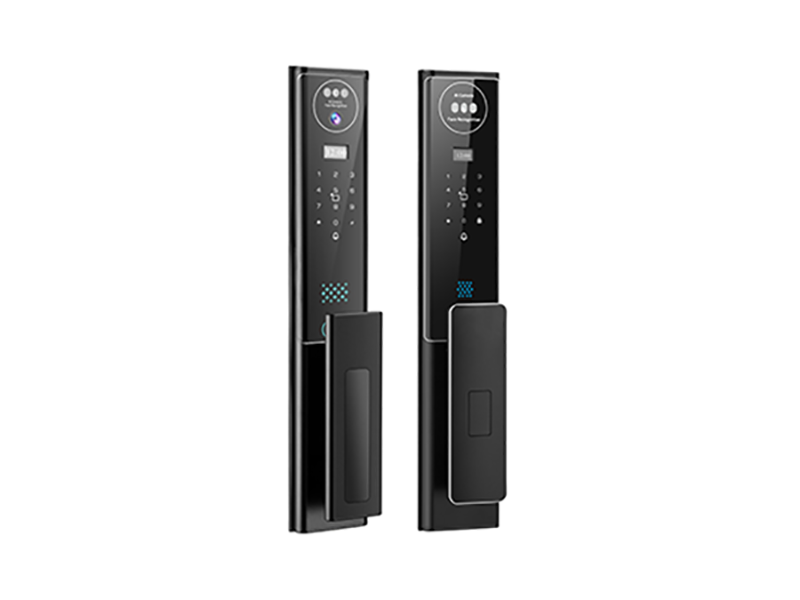
For users living in coastal areas, islands, or high-temperature, high-salinity environments like the Middle East, choosing a smart lock presents a challenge that ordinary households don't have to consider: corrosion. Salt carried by sea breezes, persistent humidity, and scorching heat from relentless sun exposure combine to cause ordinary door locks to rust, jam, or even fail completely within months. A truly professional Rust proof smart lock engineered for extreme environments is the specialized solution to this challenge.
The Silent Assault of Corrosion: Why Ordinary Locks Don't Last
In high-temperature, high-salinity environments, metal corrosion accelerates far faster than most imagine. Salt particles in sea air adhere to the lock's surface, combining with atmospheric moisture to form electrolyte solutions that accelerate electrochemical corrosion. Daily temperature fluctuations cause condensation, allowing moisture to repeatedly infiltrate the lock's interior. Prolonged UV exposure causes ordinary plastic components and seals to age and crack, further opening pathways for salt spray intrusion.
In such environments, ordinary smart locks typically show visible rust within six months to a year. Latches become stiff, circuit boards fail due to moisture damage, and ultimately the entire lock must be replaced. For coastal villas, island vacation homes, and residences in the Middle East, the question isn't "if" this will happen, but "when."
Material Selection: Resisting Rust at the Source
A genuine Rust proof smart lock derives its anti-corrosion capabilities first from material selection. Our smart lock housings are crafted from high-strength aluminum alloy, a material with inherent excellent corrosion resistance. Unlike ordinary steel, aluminum naturally forms a dense oxide layer on its surface. Even if the surface is slightly scratched, this oxide layer rapidly regenerates, continuously protecting the underlying metal.
For critical structural components such as the latch and transmission mechanism, we select stainless steel. The chromium content in stainless steel forms a stable passivation layer on the surface, effectively resisting erosion by chloride ions—the primary component of salt spray. The lock housing is formed through die-casting or CNC precision machining, eliminating the weld points and seams that are typically vulnerable to preferential corrosion.
Protective Processes: Multiple Barriers Against Intrusion
Material selection provides the foundation; protective processes translate that foundation into real-world defense.
First, we employ advanced surface treatment technologies. The lock housing undergoes multiple finishing processes, including sandblasting, anodizing, or high-standard coating applications, forming a robust protective film. This layer not only resists salt spray erosion but also effectively blocks UV aging effects, ensuring the lock maintains its appearance and performance for years.
Second, waterproof and corrosion protection for internal circuit boards is critical. We apply professional-grade conformal coating to every circuit board, creating a dense protective layer that completely isolates electronics from external humidity. Combined with the lock body's structural waterproof design, core electronic components operate reliably even in high-humidity, high-salt-spray environments.
Furthermore, all seams are equipped with high-quality sealing gaskets to prevent salt spray intrusion from the outside. These seemingly minor details are precisely where a Rust proof smart lock differs fundamentally from ordinary locks.
Rigorous Validation: Proving Reliability Through Testing
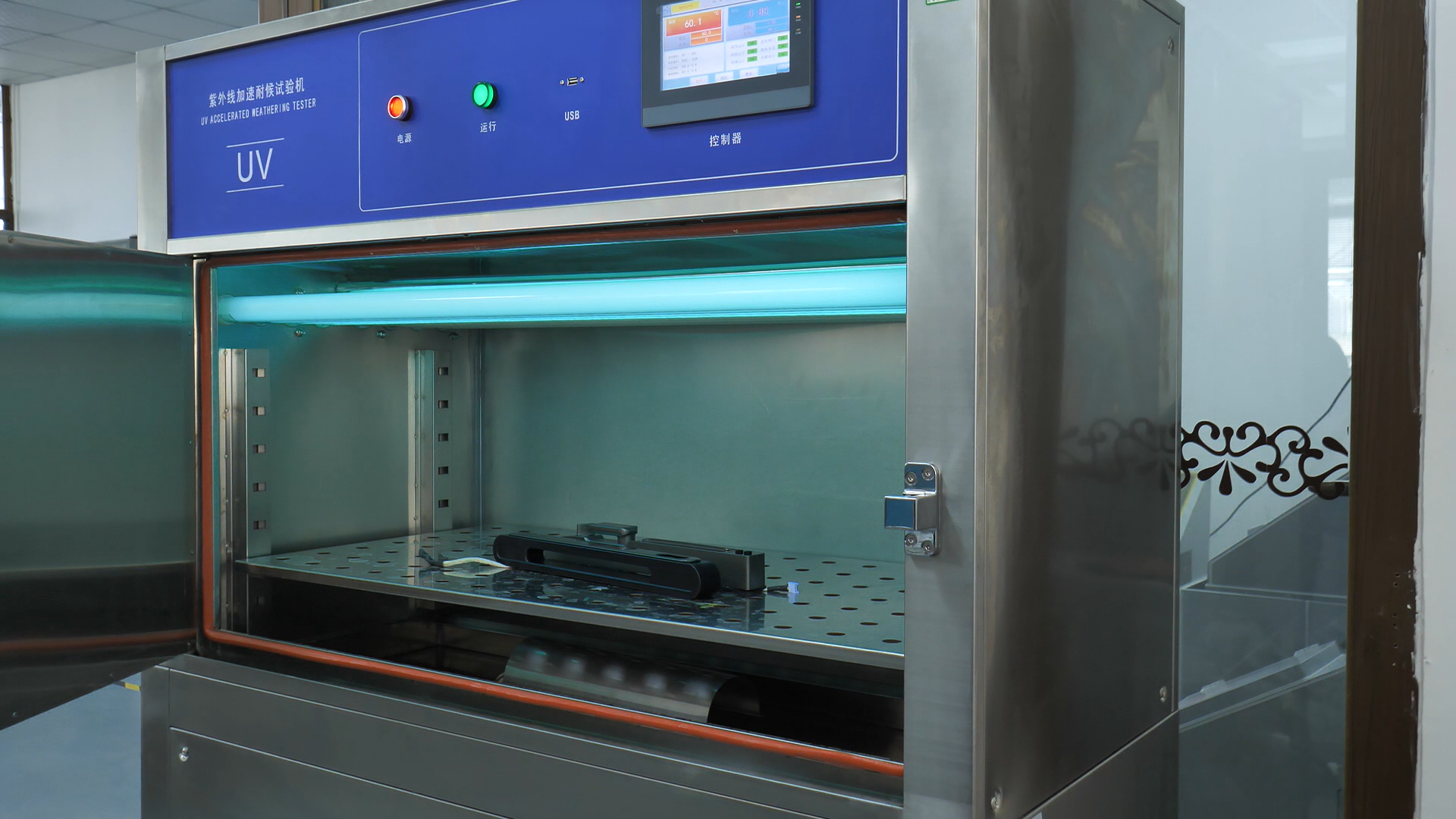
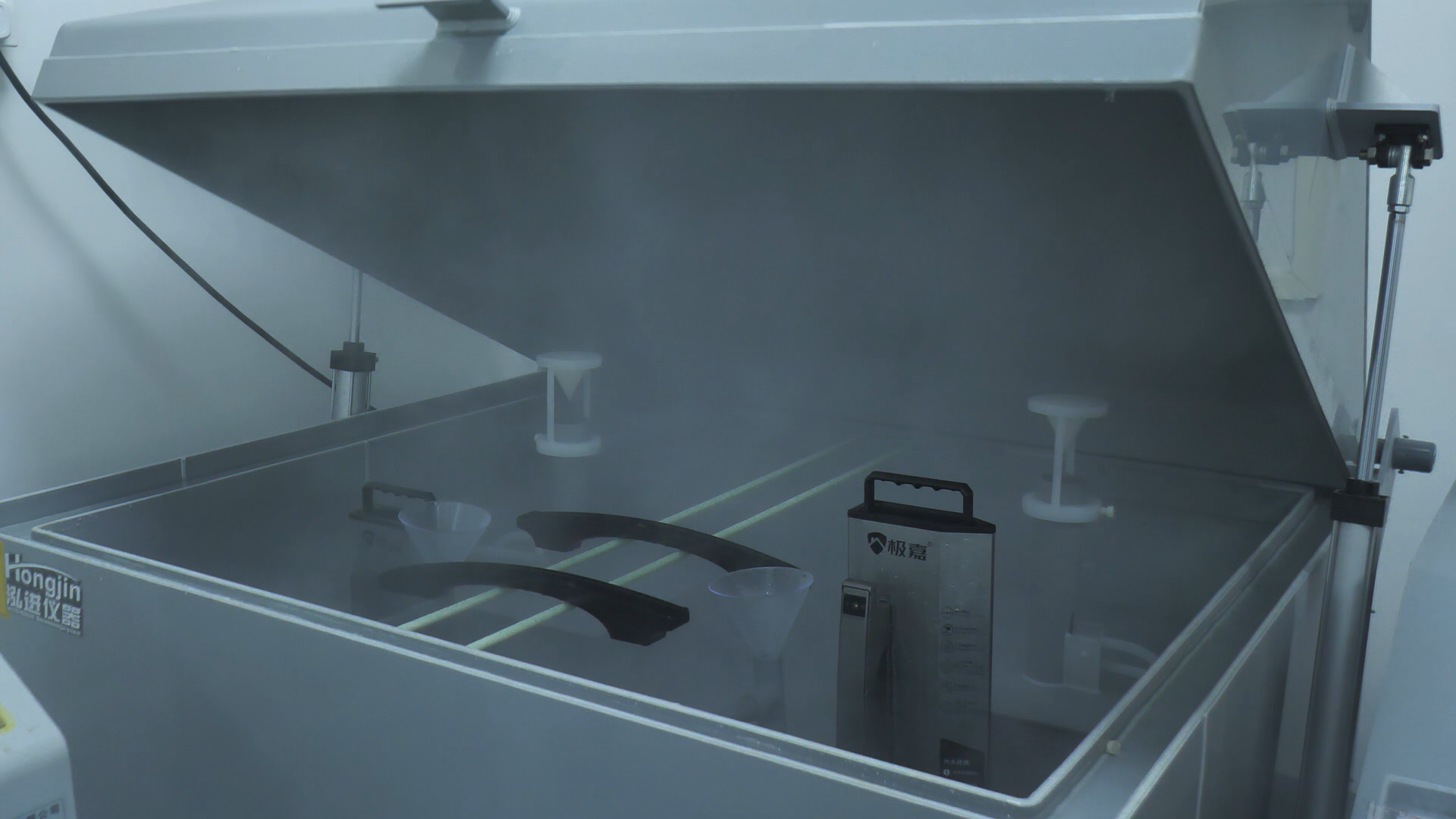
Claimed rust resistance must withstand verification. Our in-house testing laboratory is equipped with professional salt spray test equipment capable of simulating years of natural environmental erosion. Every Rust proof smart lock undergoes salt spray testing far exceeding industry standards before mass production, ensuring it withstands the test of time in actual use.
Additionally, a comprehensive series of environmental simulation tests—including thermal cycling, UV aging, and damp heat testing—form a complete product verification system. Only when products pass these rigorous challenges do we deliver them to users.
Born for Extreme Environments, Built for Lasting Protection
Choosing a Rust proof smart lock means selecting not an ordinary lock, but a professional security device deeply optimized for specific environments. It understands the erosion of sea breezes, recognizes the threat of salt spray, and acknowledges the challenge of high temperatures. From material selection to process design, from circuit protection to rigorous testing, every element is focused on the core goal of "lasting reliability."
For users in coastal areas, islands, and high-temperature, high-salinity environments like the Middle East, a truly rust-proof smart lock is not just the first line of defense—it is an investment in long-term peace of mind. When conditions become harsh, reliable protection becomes all the more precious.