
 EN
EN
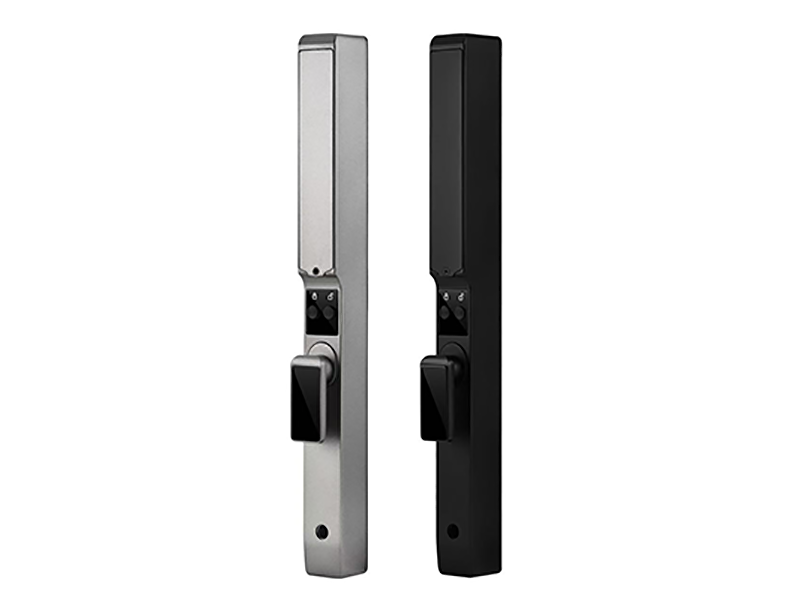
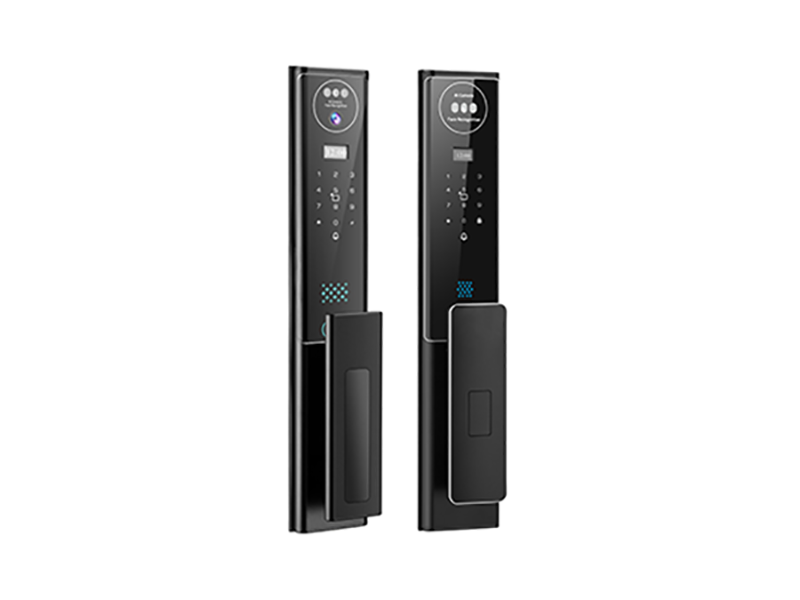
With the popularity of smart homes, smart locks have become a "standard" in modern home renovation. They not only free us from the embarrassment of forgetting our keys but also significantly enhance home security and quality of life through high-tech methods such as fingerprint and facial recognition.
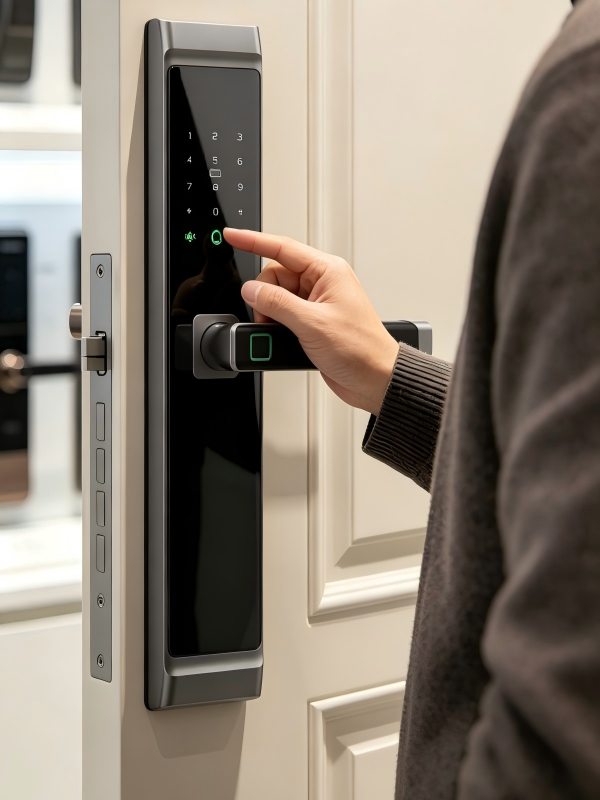

However, faced with a dazzling array of products on the market—ranging from a few hundred to several thousand or even tens of thousands of yuan—many consumers feel overwhelmed and often accidentally fall into the "traps" carefully set by merchants. To help you avoid wasting money and buy a smart lock that is truly useful and secure, today we will dive deep into the 5 "hidden rules" of the smart lock industry.
Hidden Rule 1: Over-hyping "Connectivity" While Ignoring Basic Security
Phenomenon: Many merchants aggressively promote features like remote unlocking, mobile app status checking, and smart home integration. It seems as if a smart lock that cannot connect to the internet is not a "good" lock.
Truth: The core attribute of a smart lock is security, followed by convenience. Over-emphasizing connectivity actually increases the risk of cyberattacks. If the networking protocol of a smart lock is not secure, hackers can potentially crack your password or control the door lock remotely. Furthermore, excessive online operations can cause battery life to drop drastically.
Avoidance Guide: When choosing, first check the lock cylinder level. Look for a Class C lock cylinder (the highest national security standard), which is the physical baseline for anti-theft. Secondly, for connectivity features, it is recommended to choose products with local encrypted storage and financial-grade security chips to ensure data transmission and storage security. If you do not have a strong need for smart home integration, the basic fingerprint + password + key unlocking method is actually the most stable and secure.
Hidden Rule 2: Exaggerated "AI Facial Recognition" with Poor Real-World Experience
Phenomenon: Facial recognition is currently the most popular feature, marketed as "freeing your hands for seamless entry." However, many low-end products use simple 2D infrared recognition, which is not only slow and easily affected by light, but can even be easily cracked by a high-definition photo.
Truth: True 3D structured light or binocular infrared facial recognition technology is expensive. To lower prices and capture the market, merchants often cut corners on sensors. This "fake AI" is not only insecure but also provides a terrible user experience, frequently failing to recognize users or causing "mis-recognition."
Avoidance Guide: If your budget is relatively low, try not to blindly choose facial recognition models; a mature semiconductor fingerprint lock offers better value. If you must buy a facial recognition lock, be sure to look for 3D facial recognition technology and test its recognition rate in bright light, low light, and for different heights (especially children). Identify the sensor brand and technology provider; don't be fooled by the word "AI."
Hidden Rule 3: Confusing "Dummy Password" with "Anti-Peep Password"
Phenomenon: Almost all smart locks claim to have a "dummy password" feature, allowing users to enter random characters when someone is watching to prevent the actual password from being leaked.
Truth: This is indeed a good feature, but the key lies in the character length limit. Many cheap smart locks have very limited dummy password lengths (e.g., only allowing a few digits before and after the correct password), and the system throws an error if too many characters are entered, which still allows malicious actors to track the sequence.
Avoidance Guide: Excellent anti-peep password features allow users to enter random characters of any length before and after the correct password (typically a total length of 20–32 digits), as long as the correct password sequence is contained within. When shopping, personally test the input length and fault tolerance of the dummy password to ensure its practicality.
Hidden Rule 4: The Debate Over Lithium vs. Dry Batteries—It's All About Quality Control
Phenomenon: Battery power is the lifeline of a smart lock. While dry batteries were the mainstream in the past, many mid-to-high-end locks now use rechargeable lithium batteries. Merchants often attack each other's weaknesses.
Truth: In fact, both lithium and dry batteries have their own advantages, and the key lies in the manufacturer’s technical strength and quality control. Traditional, high-quality alkaline dry batteries (such as Nanfu) are technically mature, safe, and stable, and easy to replace, though their voltage drops linearly over time, and they perform slightly weaker in low temperatures. High-quality lithium batteries offer stable voltage, are more environmentally friendly through recycling, and perform better in cold conditions.
Regarding Lithium Battery Risks: The market is flooded with cheap, inferior "three-no" (no manufacturer, no address, no quality certificate) lithium batteries. In environments like a door lock, which is sealed and prone to temperature changes, these can easily swell, leak, or even pose fire risks. If the battery dies and cannot be removed for charging, it causes significant inconvenience.
Avoidance Guide:
* If you seek ultimate peace of mind and stability, choosing dry battery models from well-known big brands is usually the right choice.
* If you prefer environmental friendliness and recycling, be sure to select brands with self-developed high-quality lithium battery technology. For example, some high-end brands use self-developed lithium batteries that have passed strict safety certifications and include a BMS (Battery Management System), which effectively prevents overcharging, over-discharging, overheating, and short-circuiting, allowing you to use them with confidence.
Hidden Rule 5: Using "Generic Molds" (White-Labeling), Leading to Lack of Iteration and Support
Phenomenon: The barrier to entry for the smart lock industry seems low. Many merchants lack R&D capabilities and simply purchase pre-made solutions from "public mold" factories, stick on their own brand logo, and start selling.
Truth: So-called "public mold locks" are products where the appearance, structure, and even circuit boards are identical across different brands. The biggest problem with this type of lock is the lack of continuous improvement in core algorithms. If there is a logical flaw in fingerprint recognition or a known security vulnerability, the manufacturer cannot provide Over-the-Air (OTA) firmware updates and can only pull the product from the shelf or offer a simple refund. These "disposable" products often leave users unable to find original spare parts when a fault occurs later.
Avoidance Guide: When choosing, check whether the brand has R&D qualifications and patented technologies. Look at whether the brand's product line is extensive and if they have sustained software update capabilities. Avoid "internet-famous" brands that only make one or two products and have vague parameter descriptions on their detail pages. Choosing brands with stable R&D investment, clearly stated technical specifications, and long-term technical support is the wise choice for your home's security.
When choosing a smart lock, do not be tempted by cheap prices. Remember these five rules, focus on the core keys—Class C lock cylinder, mature semiconductor fingerprint recognition, reasonable password protection, reliable and quality-controlled battery solutions, and a brand with proven R&D capabilities—and you will avoid most purchasing traps, securing a reliable "guardian" for your home.