
 EN
EN
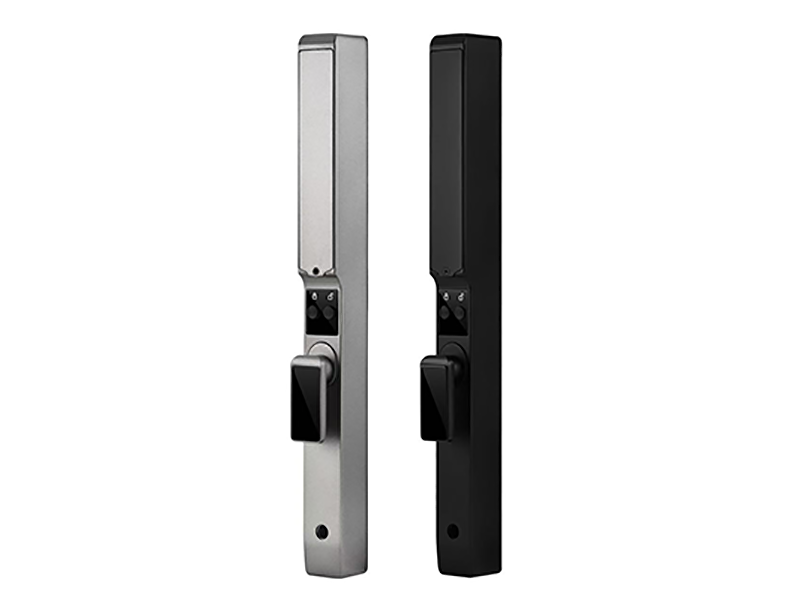
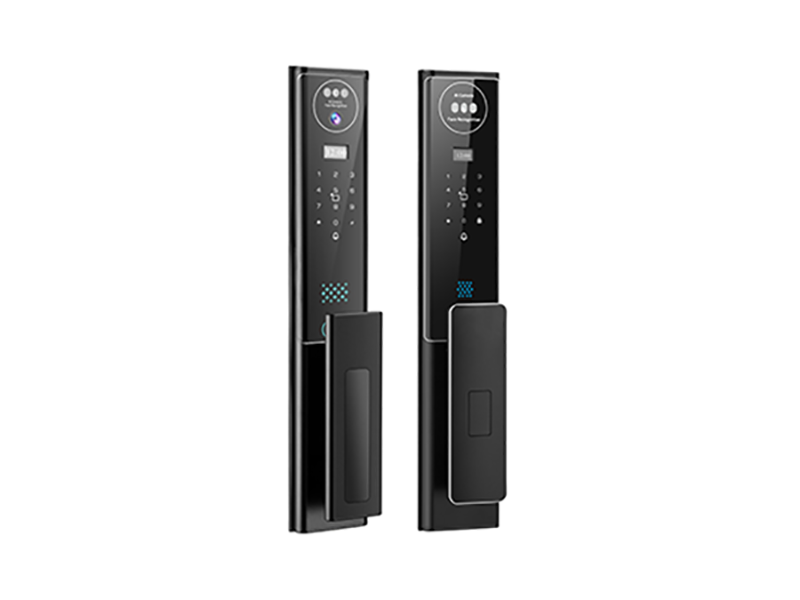
Many people living in older homes or aging apartment complexes have a question: can my old security door, which has been in use for over a decade, be fitted with a smart lock? The answer is yes. With the right approach, most old security doors can be successfully upgraded. This article will walk you through how to upgrade old door to smart lock, so your old door can enjoy the convenience of touchless unlocking experiences.
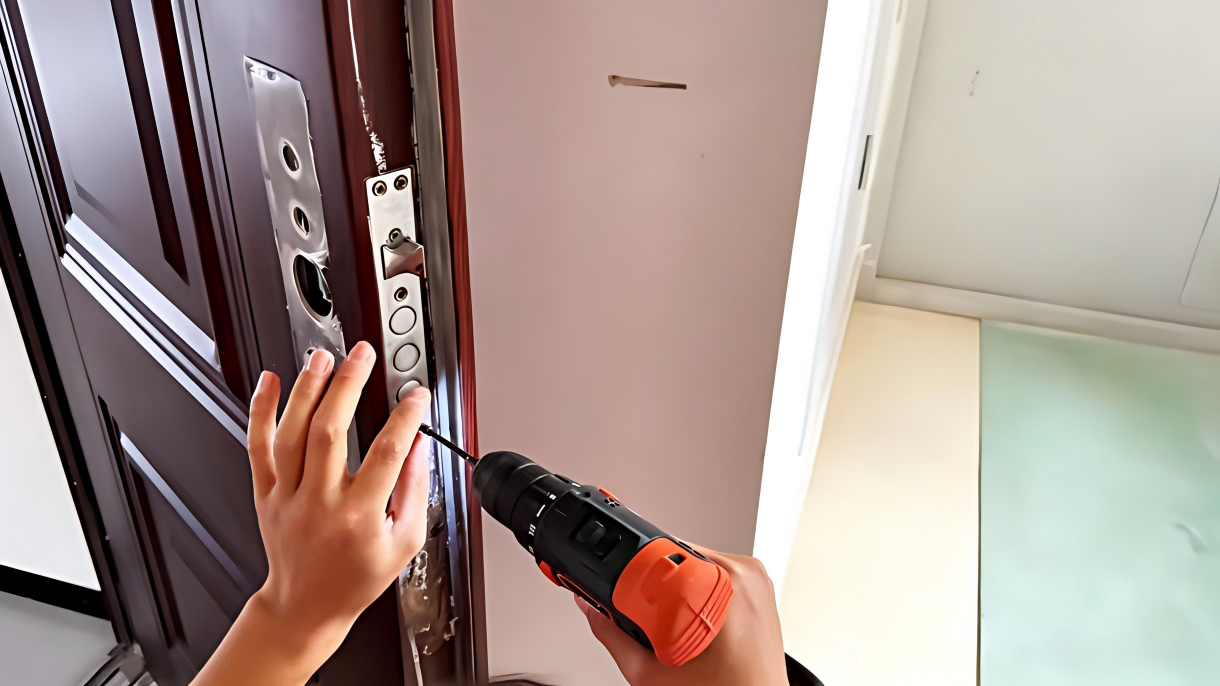
Step 1: Check Whether Your Door Is Ready for an Upgrade
Before buying a smart lock, you first need to see if your old door meets the basic installation requirements. Check the following:
Door thickness: Smart lock cylinders and handle assemblies have requirements for door thickness. Generally, doors between 40mm and 120mm thick can be fitted. Use a tape measure to check – if your door is within this range, you have the basic condition.
Lock body type and depth: This is the most easily overlooked but critical point when upgrading an old door. Older security doors commonly use either a standard mechanical lock body or an American standard single-bolt lock body. A mechanical lock body usually does not support the smart lock functions of pressing down the handle to unlock or lifting it to deadbolt. You will need to replace it with a dedicated smart lock body such as the 6068 standard lock body to achieve one-grip unlocking, auto-locking, and other convenient operations. An American standard single-bolt lock body generally has a shallow depth of about 60-70mm, whereas the mainstream 6068 European standard smart lock body is 90mm deep. If your door uses an American standard lock body, you must check whether the door cavity has enough depth of 90mm to accommodate the new lock body; otherwise, installation will not be possible.
Door handing: Most European standard lock bodies have adjustable latch direction, and the handle orientation of the smart lock can usually be set via the app or during installation, so this is rarely a special concern.
As long as these conditions are met, you can confidently upgrade old door to smart lock without replacing the entire door.
Step 2: Choose the Right Smart Lock Solution for Your Old Door
Given the special structure of old security doors, the following solutions are the most common:
Replacement upgrade: Remove the old lock body, cylinder, and handles, then install a complete smart lock. This is the most thorough upgrade, suitable for doors with standard construction and sufficient depth. Most users take this approach, but be sure to choose a dedicated smart lock body – otherwise, pressing down the handle may not retract the latch.
Add-on upgrade: If the old lock works fine and you do not want to alter the original structure, you can choose a smart cylinder or smart handle type product. These directly replace the original cylinder while keeping the existing mechanical lock body. Installation is simpler, but functionality is relatively basic (usually only fingerprint or passcode, without remote control or auto-locking capabilities).
Custom fit solution: For non-standard doors (e.g., thicker than 120mm or with unusual lock bodies), look for brands that offer customisation. Some manufacturers will custom-make faceplates and lock bodies based on the dimensions you provide, ensuring a perfect fit.
Whichever solution you choose, the goal is to safely and reliably upgrade old door to smart lock.
Step 3: Key Steps for Measurement and Installation
To ensure a smooth installation, follow these steps:
Take precise measurements: Record your door thickness, the length and width of the existing lock body, the distance from the cylinder hole to the door edge (centre distance), and the faceplate dimensions. Very important: if the original lock body is an American standard single-bolt, be sure to measure whether the internal cavity depth is at least 90mm – this determines whether a 6068 smart lock body can fit.
Consult customer support: Send your measurements and photos of the existing lock body to the smart lock seller. Let their professionals confirm compatibility and recommend the right model. For old doors with insufficient depth, you may need an ultra-thin lock body or other special solution.
Find a professional installer: Installing a smart lock involves electrical connections, lock body adjustment, waterproofing, and other specialised work. We strongly recommend hiring a local, experienced locksmith or smart lock technician. They can handle common old-door issues like misaligned holes or warped door frames, ensuring the lock operates reliably.
Test and adjust: After installation, test all unlocking methods – fingerprint, facial recognition, passcode, mechanical key – to ensure they work smoothly. Verify that the latch extends and retracts without sticking and that the door closes firmly without wobbling.
Frequently Asked Questions
Q: Can old iron doors or security doors be fitted with a smart lock?
A: Yes. Iron doors and security doors are usually thick enough. Just check whether the existing holes align with the smart lock's front plate. If not, a hole saw can enlarge them or an adapter plate can be used.
Q: What if the door is rusty or warped?
A: Light rust does not prevent installation – you can clean it off beforehand. If the door frame is severely warped, it should be straightened first; otherwise, even with a smart lock, the latch may not align properly.
Q: Can I still use the original mechanical keys after upgrading?
A: Most smart locks retain a mechanical keyhole for emergency access, but they come with a new Grade-C cylinder and keys. The old keys will no longer work.
An old security door is not an obstacle to smart living – it is a foundation worth upgrading. With the right measurement methods and selection strategy, you can easily upgrade old door to smart lock and give your old door a new lease on life. Say goodbye to the worry of forgetting your keys and enjoy the effortless unlocking experience offered by fingerprint, face recognition, palm vein scanning, and more. If you have been hesitating, take out a tape measure and take the first step toward an upgrade today.