
 EN
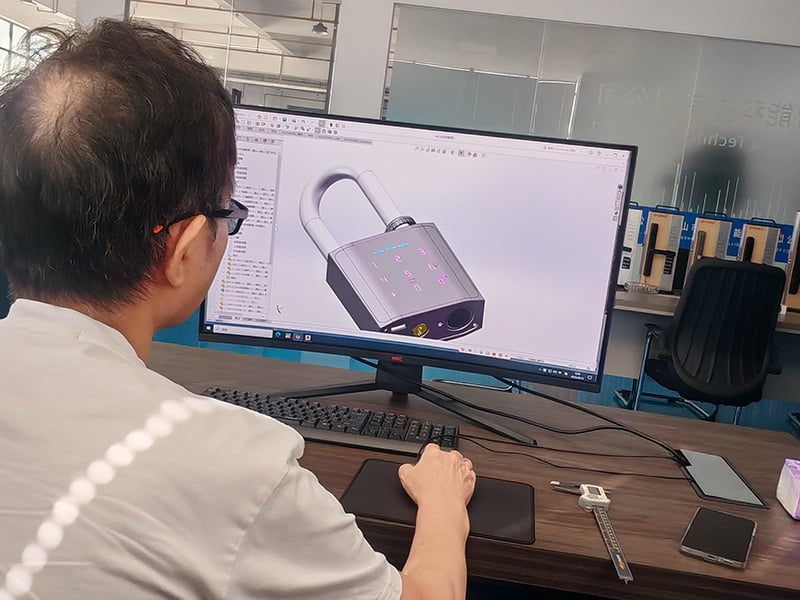
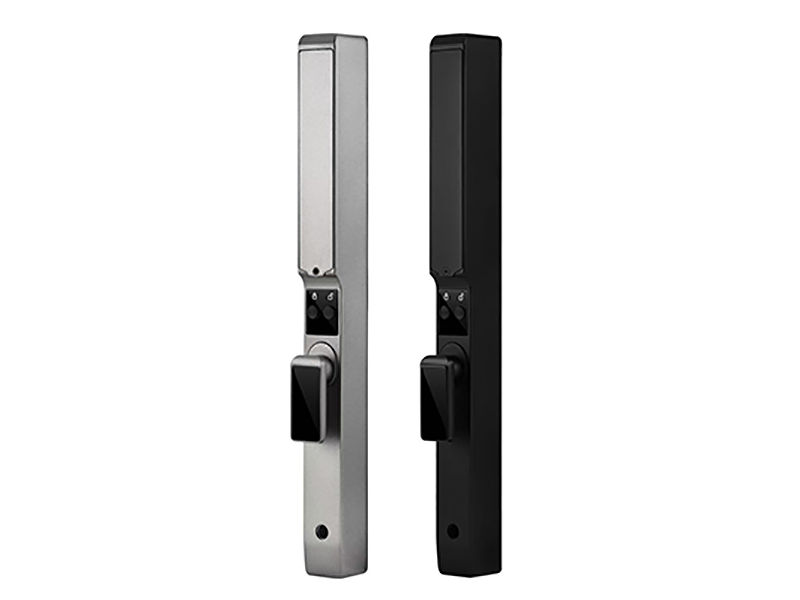
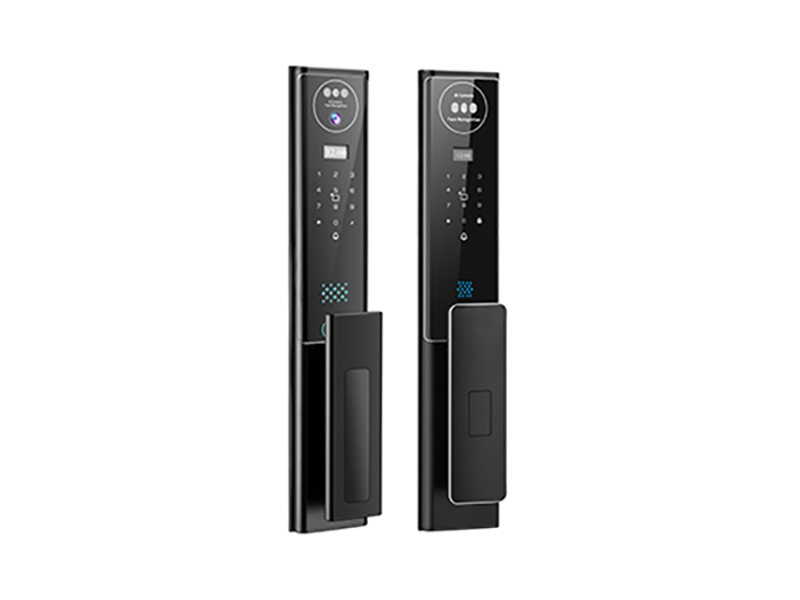
Most people start with a single smart lock on the front door, then a question shows up a few months later: should the back door have one too? The answer isn't "buy one for every door"—it's about matching locks to the doors your household actually uses, and the order in which those doors get used. Here's how to think about it, door by door.
Why the Front Door Comes First
The front door earns its place at the top of the list for obvious reasons. It's the door everyone uses, the one visitors and delivery drivers approach, and the one most exposed to the street. It's also where keyless entry pays off fastest: no more digging for keys with your hands full, no more hiding a spare under the mat.
If you're buying your first smart lock, the front door is almost always the right starting point. One lock, one installation, immediate daily benefit.
The Case for a Second Lock: Back or Side Door
The second door worth considering is whichever one your family actually treats as a second entrance—usually a back door off the kitchen or a side door by the driveway. These doors share the front door's problem but get far less attention. They're often older, fitted with a basic cylinder, and left unlocked during the day because someone is always coming and going through them.
A smart lock fixes the same three things here: no spare key needed for family members, automatic locking when the door closes, and a record of when it opened. If your back door is your main garden, pet, or laundry access point, it earns a lock before any interior door does.
The Attached Garage Entry Door: The Quiet Weak Point
Homes with an attached garage have an entrance most owners forget about: the door between the garage and the house. It's routinely left unlocked, and it leads directly into the living space without passing the front door at all. If your garage door opener is ever compromised or simply left open, that interior door is the only thing standing between the street and your hallway.
For many households, this is the highest-value second lock in the whole house—more so than the back door if the garage is how you actually come home every day. It's also the door you're most likely to leave unlocked by accident, which makes automatic locking genuinely useful rather than merely convenient.
Interior Doors: Usually Not Worth It
In most homes, interior doors don't need smart locks. A bedroom doesn't gain much from a fingerprint reader, and adding electronics to doors nobody locks is money spent on novelty rather than security. There are exceptions: a home office holding client records, a room shared by a lodger, or a storage area with tools and equipment. If a door is already kept locked for a real reason, a smart lock makes it easier to live with. If it's never locked, don't start.
Managing Several Locks Without the Hassle
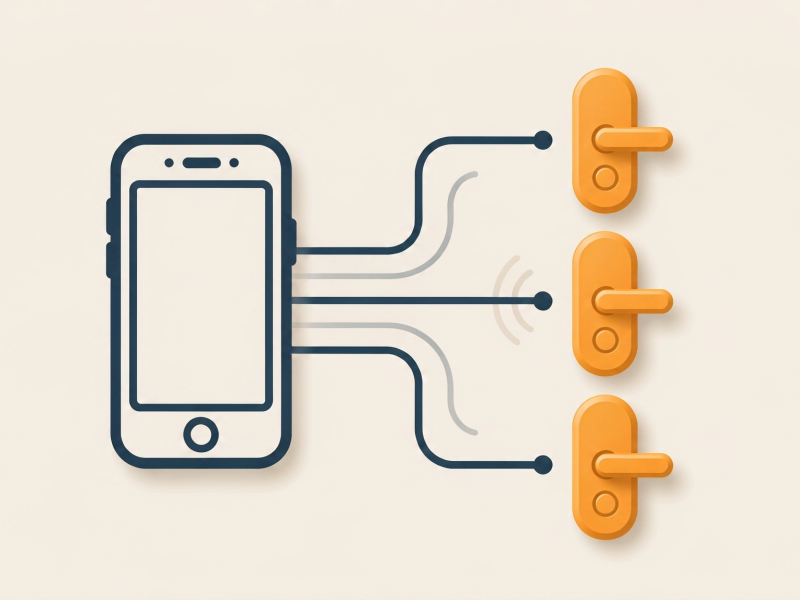
The practical objection to owning more than one smart lock is administration—different apps, different batteries, different fingerprints. The fix is to keep your locks in the same product family. One app then covers every door, battery levels for the whole house appear in a single list, and adding a family member means enrolling their fingerprint once per lock rather than learning a second system.
Consistency matters more than you'd expect. A household where every door works the same way—same finger, same habits, same auto-lock behavior—is a household where nobody forgets how to get in.
A Sensible Order to Buy Them In
If you're building up over time, there's a logical sequence. Start with the front door, because it's used most and gives you the fastest return. Add the door you use second most—often the garage entry or a back door—once you're comfortable with the system. Then cover any remaining exterior entrance that sees regular family traffic. Interior doors come last, and only if there's a specific reason.
There's no rule that says you have to do it all at once, and there's no benefit to buying a lock for a door nobody uses. Two well-chosen locks on the doors you actually walk through protect a home better than four spread evenly across the house.
Lock the Doors You Use
The right number of smart locks isn't a fixed figure—it's the number of entrances your household genuinely relies on. In most homes that means two or three: the front door, the second door everyone actually uses, and often the garage entry that quietly matters most. Choose those doors, keep the locks in one product family so they're easy to manage, and leave the rest of the doors alone. Security follows daily habits, not hardware count.