
 EN
EN
Why Renters Used to Skip Smart Locks
Millions of renters have wanted the convenience of keyless entry but assumed a smart door lock was off limits. Traditional smart lock installation usually means drilling new holes, replacing the deadbolt, or modifying the door frame, and most lease agreements forbid exactly that. The good news is that a new category of renter friendly smart lock solves this problem. These apartment smart locks fit over your existing deadbolt in minutes, leave no permanent marks, and can be removed completely when you move out. Smart home security is no longer something only homeowners can enjoy.
Retrofit Smart Locks: The No-Drill Solution
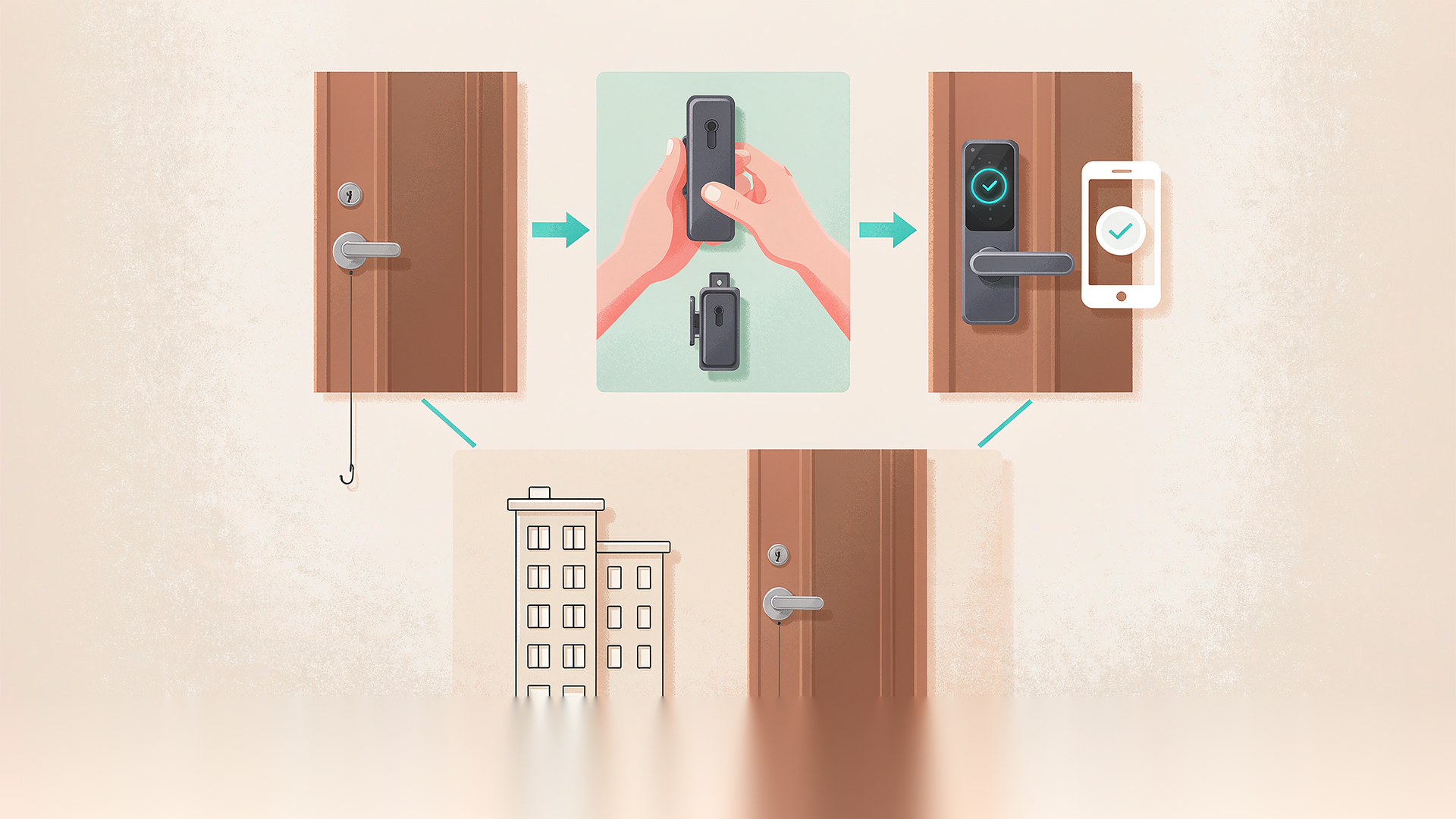
The most popular option is a retrofit smart lock that slides over the indoor thumb-turn of your existing deadbolt. Installation typically takes ten to fifteen minutes with nothing more than a screwdriver, and often no tools at all. The device motor rotates the thumb-turn for you, so you can lock and unlock the door from your phone, with a fingerprint, or with a keypad. Because the outside of the door never changes, the original key still works as a backup, and the lock returns to its original state the moment you uninstall it. This is what makes a no-drill smart lock genuinely deposit-safe.
Keypad and Convertible Options
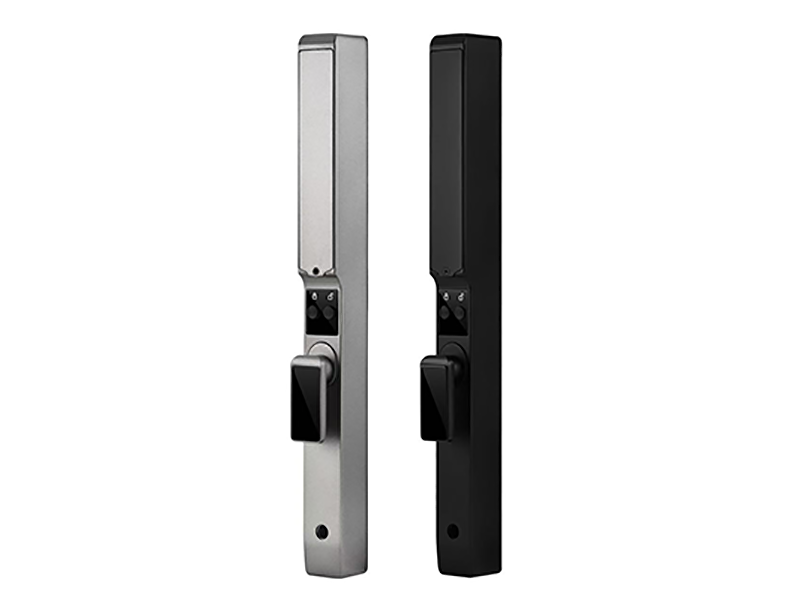
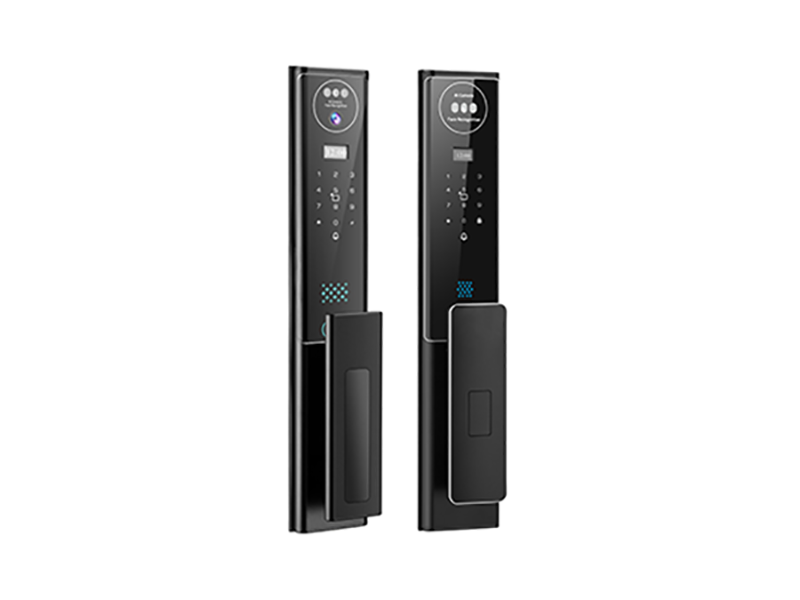
If your lease allows swapping hardware as long as you restore it later, a convertible smart lock is another path. These models combine a keypad door lock with a standard deadbolt and let you reinstall the original cylinder before moving out. For shared apartments, a backlit keypad means roommates no longer copy keys at the hardware store, and you can change the code any time someone moves out. Some renters also pair a smart lock with a door sensor to get open-door and forced-entry alerts, which adds apartment security without touching the door itself. The keypad approach also solves the classic renter headache of package theft and unexpected visits: you see exactly who unlocked the door and when, right in the app's entry log, so there is never a debate about whether the door was left unlocked overnight.
Smart Features That Matter in a Rental
When choosing the best smart lock for apartments, look for features that match renting life. Auto-lock ensures the door secures itself every time it closes, so nobody has to wonder who locked up last. A fingerprint smart lock gives you one-second entry when your hands are full of groceries. App control lets you let a dog walker or maintenance worker in remotely instead of leaving a key under the mat. And because rentals change, choose a lock powered by standard batteries rather than wired power, so it works on any door regardless of the building's wiring. Connectivity matters too: a Bluetooth smart lock works without any hub, while a WiFi smart lock gives you true remote control from anywhere, ideal for letting someone in while you are at the office or on vacation. Check the lock's compatibility with standard deadbolts and door thicknesses before buying, since most retrofit models fit the common sizes found in apartments.
Talk to Your Landlord First
Even with a deposit-safe smart lock, a quick conversation with your landlord is worth the effort. Explain that the device installs indoors, requires no drilling, and improves the security of their property. Point out that a smart lock with an entry log can even document maintenance visits and deter unauthorized entry, which protects their asset as much as your belongings. Many landlords actually appreciate the upgrade, and some will even approve a full smart lock swap if you agree to restore the original hardware at the end of the lease. Getting written permission protects you and often turns your landlord into a fan of smart home security.
Moving Out: The Five-Minute Restore
The best part of a renter friendly smart lock is the goodbye. Unbolt the device, slide it off the thumb-turn, and the door looks exactly as it did on move-in day. Keep the original parts in a labeled bag, wipe your fingerprints and codes from the app, and reset the lock to factory settings before packing it. The same lock then moves with you to the next apartment and installs again in minutes, making it one of the few security investments that survives a change of address.
Conclusion
Renting no longer means settling for a sticky note with a hidden key location. Retrofit and convertible smart locks deliver fingerprint unlocking, keypad codes, auto-locking, and phone control to apartments without drills, holes, or deposit risks. They install in minutes, move with you from lease to lease, and give renters the same keyless entry experience homeowners have enjoyed for years. If you have been waiting for permission to join the keyless entry world, the wait is over: the best smart lock for renters is the one you can install tonight and remove tomorrow.