
 EN
EN
Most older adults say they want to stay in their own homes as they age, and for millions of families that goal starts at the front door. Fumbling for keys in the dark, forgetting where they were left, waiting hours for a locksmith after a lockout: for many seniors, the humble metal key is quietly one of the most stressful objects in the house. A senior-friendly smart lock replaces that daily frustration with one-touch keyless entry, while giving adult children something equally valuable: the ability to quietly keep an eye on Mom and Dad from hundreds of miles away. In this guide, we explain how smart locks for seniors work, which features actually matter for aging in place, and how to choose an easy-to-use smart lock that supports safe, independent living.
Why Traditional Keys Become a Hidden Risk for Older Adults
Arthritis, reduced vision, and trembling hands can make a small brass key surprisingly difficult to use. Seniors with mild memory decline may misplace their keys several times a week, and every lockout costs money, time, and confidence. Many families solve this the old way, hiding a spare key under the doormat or in a flower pot, which is exactly where burglars look first. Others lend copies to caregivers and eventually lose track of who has access to the home. What looks like a convenience problem is really an elderly home safety problem: for an aging parent living alone, getting inside quickly and safely is a daily necessity, not a luxury.
Senior-Friendly Smart Lock Features That Actually Matter
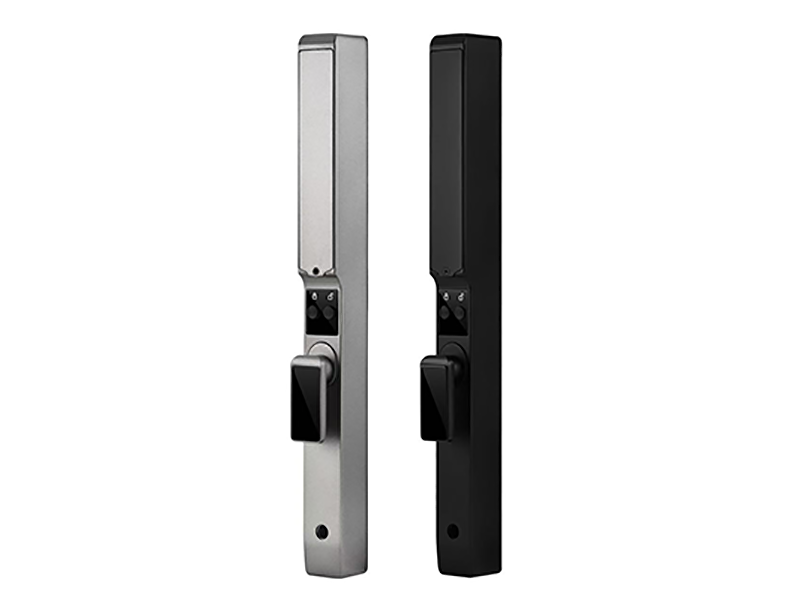
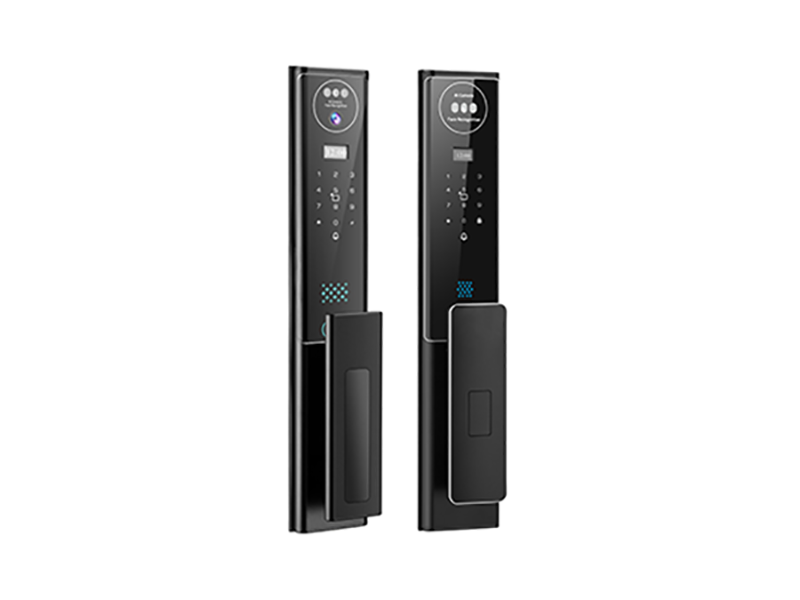
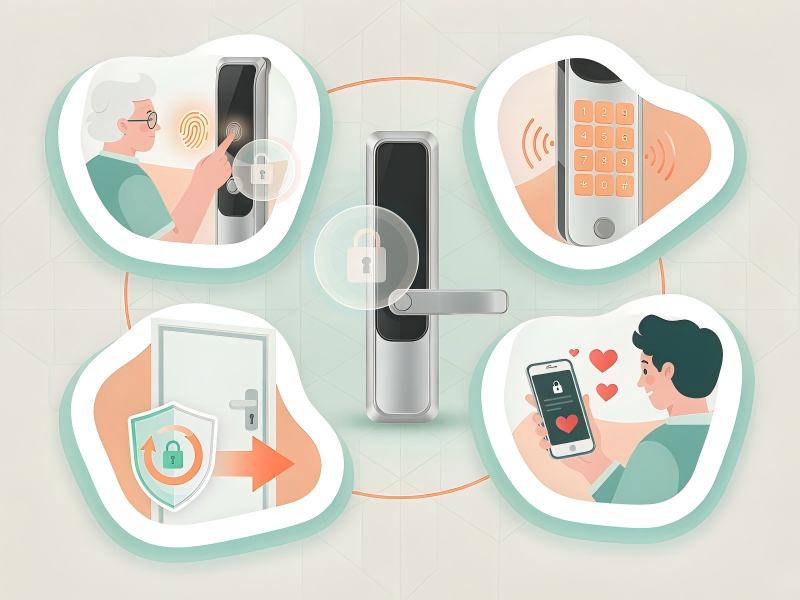
The best smart lock for elderly users is not the one with the longest spec sheet. It is the one built around simple operation. Fingerprint unlock is the single most valuable feature: one touch opens the door, with no code to memorize and no phone to carry, and a fingerprint can never be lost or forgotten. For seniors who prefer a PIN, look for a large backlit keypad with big raised buttons, and choose a lock that supports anti-peep virtual codes so someone watching over their shoulder cannot steal the real password. Clear voice guidance that talks the user through every step, a bright display, and loud early low-battery warnings are the details that separate a truly elderly-friendly door lock from a generic one.
Remote Care: How Adult Children Can Watch the Door from Anywhere
For caregivers, the companion app turns a door lock into a peace-of-mind tool. The entry log shows exactly when the door was unlocked, so a son in another city can see that his mother came home at her usual afternoon time, or receive an alert if the door has not been opened by mid-morning, which can be an early sign of a fall or illness. Family members can check whether the door was left unlocked and secure it remotely with one tap. Temporary passwords can be issued to home nurses, physical therapists, and housekeepers, and revoked the moment they are no longer needed. This kind of caregiver remote access is what makes a smart lock a genuine aging-in-place technology rather than just a gadget.
Safety Nets and Emergency Preparedness
Good senior-focused design also plans for the worst days. Automatic locking means the door secures itself every time it closes, so the house is protected even on a forgetful afternoon. Emergency external power, usually a USB-C port or a 9V battery contact, lets family or neighbors revive a dead lock in seconds. A mechanical key cylinder remains the final backup and should be stored with a trusted person rather than inside the home. Many families also pair the lock with a video doorbell, so a caregiver can visually confirm who is at the door before unlocking it remotely, a simple but powerful defense against scammers who target older homeowners.
How to Choose the Right Smart Lock for an Aging Parent
Keep three priorities in mind: simplicity, visibility, and reliability. Choose fingerprint-first unlocking with a physical keypad as backup, not app-only entry. Pick a model with a large, bright display and audio feedback so the lock confirms every action out loud. Make sure the app supports multiple family administrators and clear entry notifications for everyone who shares caregiving duties. Finally, verify a battery life of a year or more, emergency charging, and a loud tamper alarm. Skip gimmicks such as gesture control that add steps instead of removing them. A smart lock for aging parents should reduce cognitive load, never increase it.
The Bottom Line
Aging in place succeeds when everyday tasks quietly become safer, and the front door is the most used task of all. A senior-friendly smart lock removes keys from the equation, welcomes caregivers with time-limited codes, keeps the door locked without anyone having to remember, and keeps family informed from afar. For older adults and the people who love them, that combination of independence and invisible support is exactly what smart home safety technology was supposed to deliver all along.