
 EN
EN
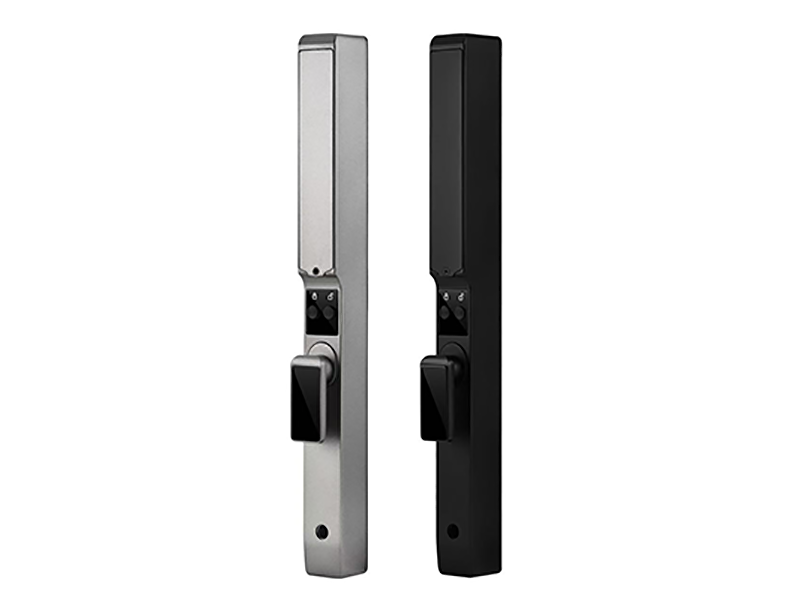
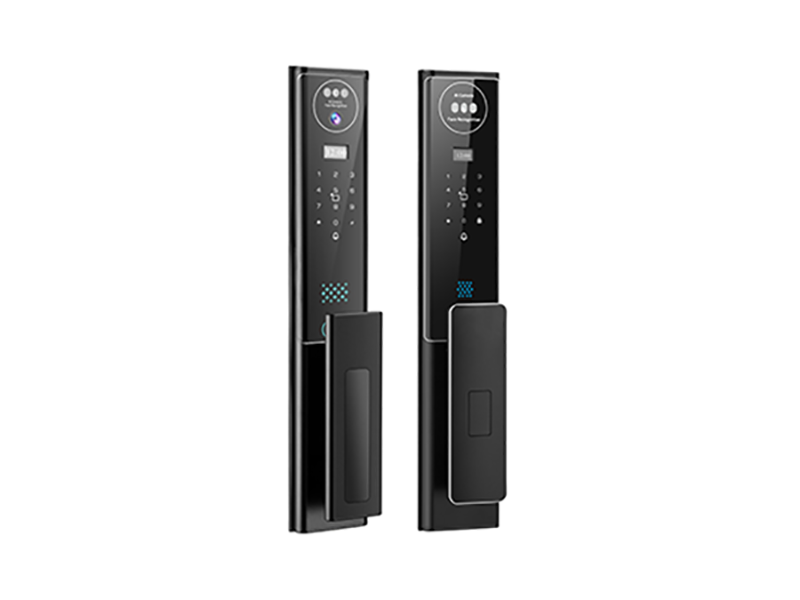
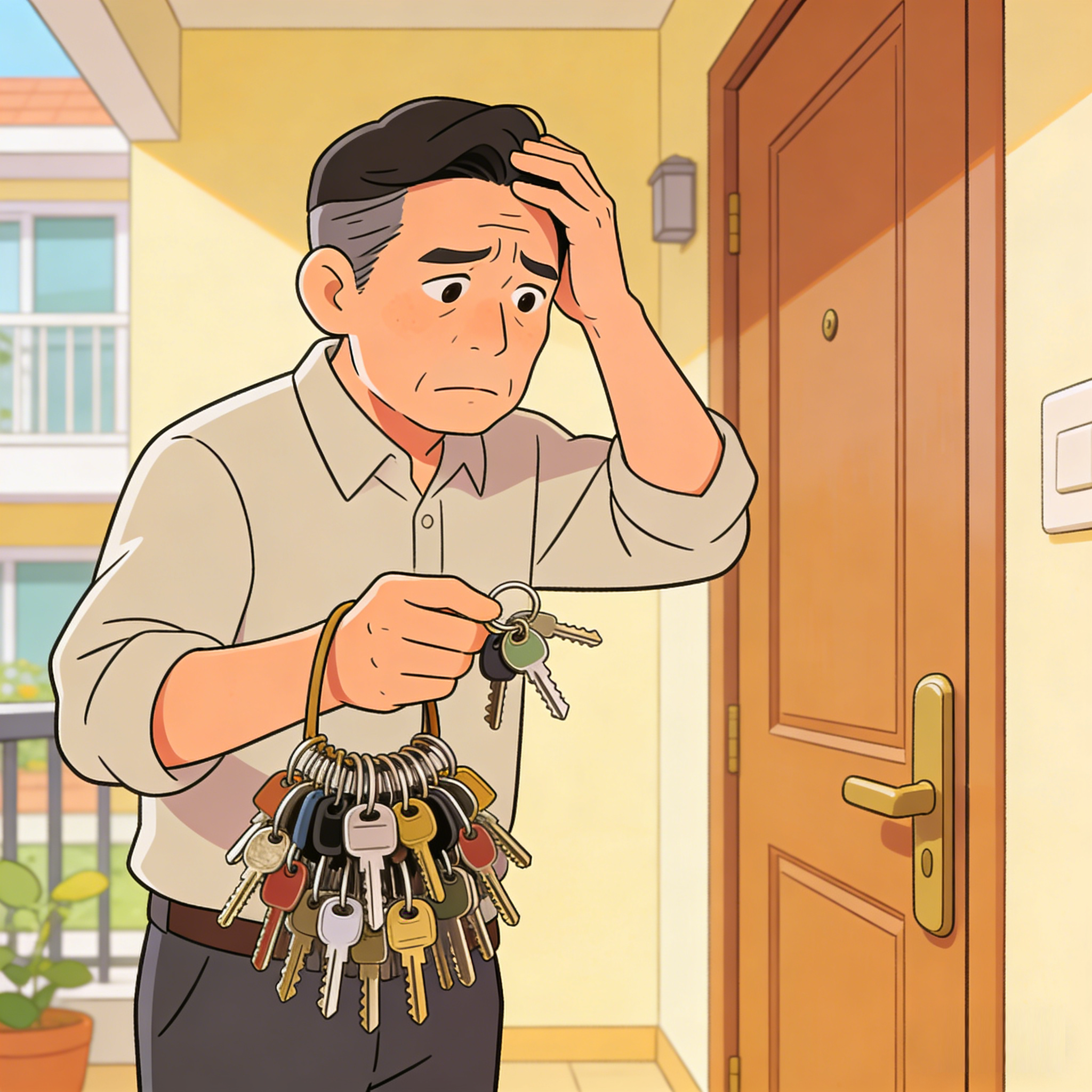
In the rental market, a key is never just a key—it is the landlord's symbol of authorization and the tenant's physical token of security. Yet this small metal object is also the most stubborn pain point in rental management. From the hassle of showing properties, to the wait for key handovers, to the recurring cost of changing lock cylinders after each move-out, the hidden costs of traditional keys accumulate steadily, erecting an invisible barrier of mistrust between landlords and tenants. Today, the Keyless entry smart lock is shattering this deadlock, ushering the rental relationship into a new era—one that requires no physical keys yet fosters greater trust.
The Landlord's Perspective: From Tedious Management to Effortless Control
For landlords managing one or multiple rental properties, keys are the biggest drain on time. Every tenant inquiry, every maintenance appointment, every lease change—all require that physical key to be handed over in person. The Keyless entry smart lock changes this entirely.
Showings Without Being Present: Landlords can generate one-time temporary passwords for prospective tenants via an app, allowing them to view the property independently during scheduled times. No need for the landlord to make a special trip. The password expires automatically, ensuring security.
Zero-Wait Move-In: Once the lease is signed, landlords remotely assign permanent access codes or fingerprint permissions. Tenants can move in immediately upon arrival, no key pickup appointment required, and no worries about lost or copied keys.
Instant Permission Revocation: After tenants move out, landlords delete all their access privileges with one tap in the app. The lock resets instantly, eliminating the need for lock cylinder replacement and additional costs. The next tenant can be onboarded seamlessly.
This digital permission management system, centered on the Keyless entry smart lock, liberates landlords from the role of "key keepers," enabling lightweight, scalable asset management and truly achieving the efficiency of "one person managing a hundred properties."
The Tenant's Perspective: From Security Concerns to Genuine Peace of Mind
For tenants, a key is a source of security, but also a source of anxiety—what if I lose the key? Did the previous tenant keep a copy? Can the landlord enter anytime? These questions are difficult to voice in daily rental relationships, yet they are very real.
The Keyless entry smart lock, with its unique technological architecture, offers tenants unprecedented security and autonomy:
A Unique, Revocable Digital Identity: The tenant's fingerprint, face, or passcode is unique and valid only during their lease term. After move-out, this data is permanently deleted or overwritten, fundamentally eliminating security concerns about "previous tenant" copies.
Transparent Access Logs: Tenants can view their door's opening and closing records anytime via an app. Any abnormal access is logged and promptly pushed as a notification. This visibility itself is a powerful reassurance.
Self-Managed Guest Access: For visiting friends and family or scheduled cleaning services, tenants can generate time-limited passwords themselves, without involving the landlord or surrendering their only key.
The Foundation of Trust: From Physical Handover to Digital Authorization
Trust in traditional rental relationships was built on the physical act of "the landlord handing over the key." However, once the key is handed over, it leaves the landlord's control; tenants have no way of verifying whether others hold copies. This one-way, irrevocable trust model is a common source of rental disputes.
The Keyless entry smart lock transforms trust from "physical delivery" to "digital authorization." What the landlord grants is a permission set with a definable timeframe, revocable at any time. What the tenant receives is an exclusive, traceable access credential. Trust is no longer a vague feeling but a verifiable fact, supported by encryption algorithms, permission policies, and operational logs.
In the rental business—a relationship fundamentally about the right to use a space—the Keyless entry smart lock is becoming critical infrastructure for rebuilding trust. It shifts property management from reactive responses to proactive control, and transforms tenants' sense of security from blind faith into a technologically verifiable guarantee. When keys are no longer a necessity in the landlord-tenant relationship, a more transparent, efficient, and equitable rental model becomes possible. This is more than an upgrade to a lock; it is a fundamental innovation in the rental experience itself.