
 EN
EN
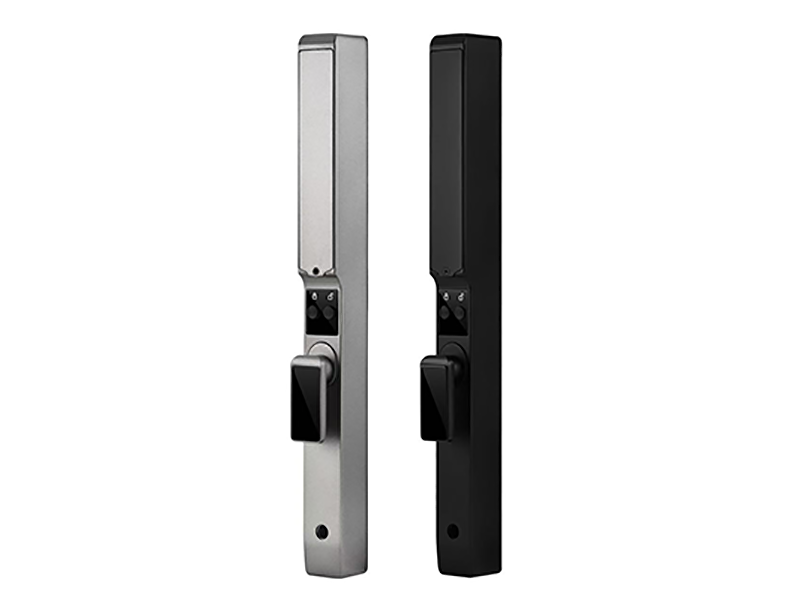
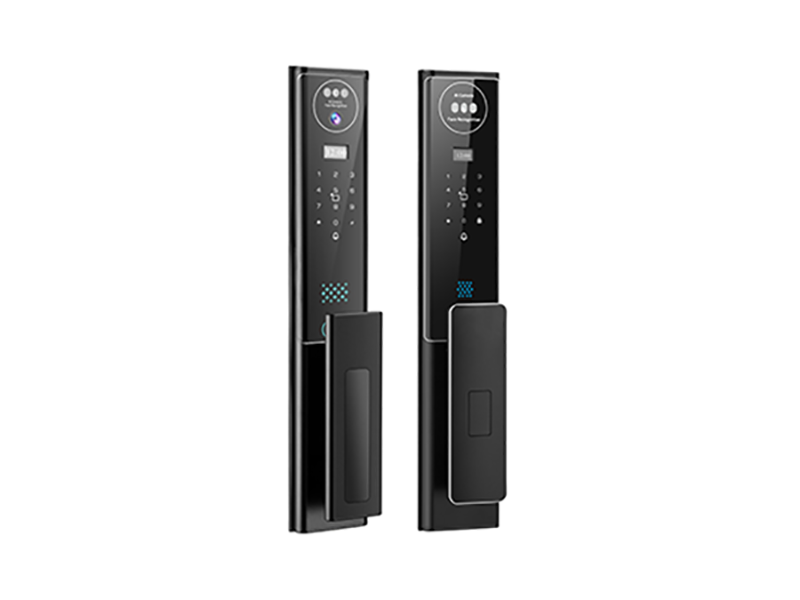
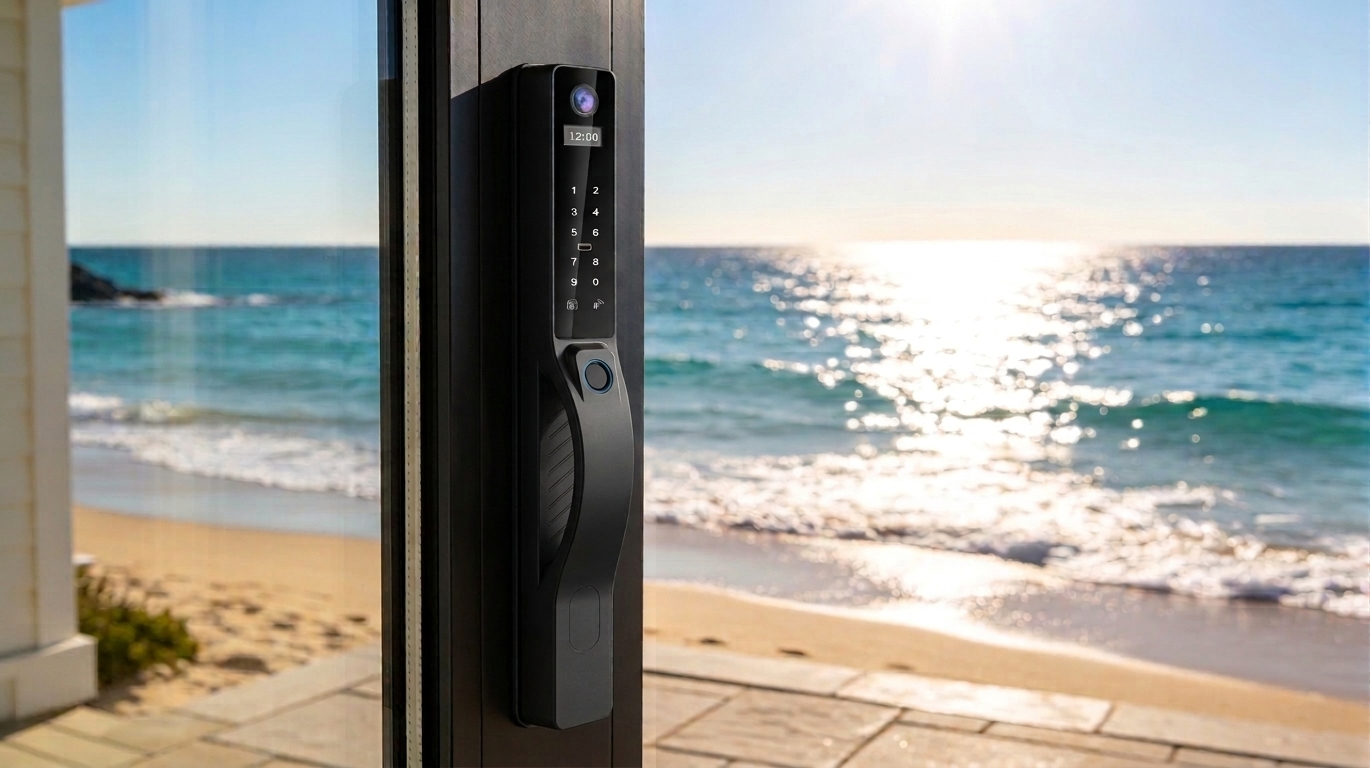
For users living in coastal areas, choosing a smart lock is often a tug-of-war with the environment. The air near the sea is not only high in humidity but also contains a large amount of saline particles. These salt particles cause electrochemical corrosion on metal surfaces, leading to rusted handles, malfunctioning electronic components, and even structural mechanical failures. Against this backdrop, the "Salt Spray Test" rating has become the gold standard for measuring whether a smart lock can enjoy a "long life" by the sea.
What is the Salt Spray Test?
The Salt Spray Test is a standardized, popular corrosion test method used to check corrosion resistance of materials and surface coatings. Engineers place the smart lock and its critical metal components into a test chamber, where a high-concentration saline solution (usually a 5% salt solution) is continuously sprayed under specific temperature and humidity conditions to observe the corrosion performance of the metal coatings and base materials.
The core of this test lies in "acceleration"—it can compress the corrosion process that would naturally take several years into just hundreds of hours, allowing manufacturers to precisely predict the product's service life before it leaves the factory.
Why is it a "Lightning Rod" for Coastal Users?
The Salt Spray Test rating directly reflects the weather resistance of the lock, which is critical for coastal environments:
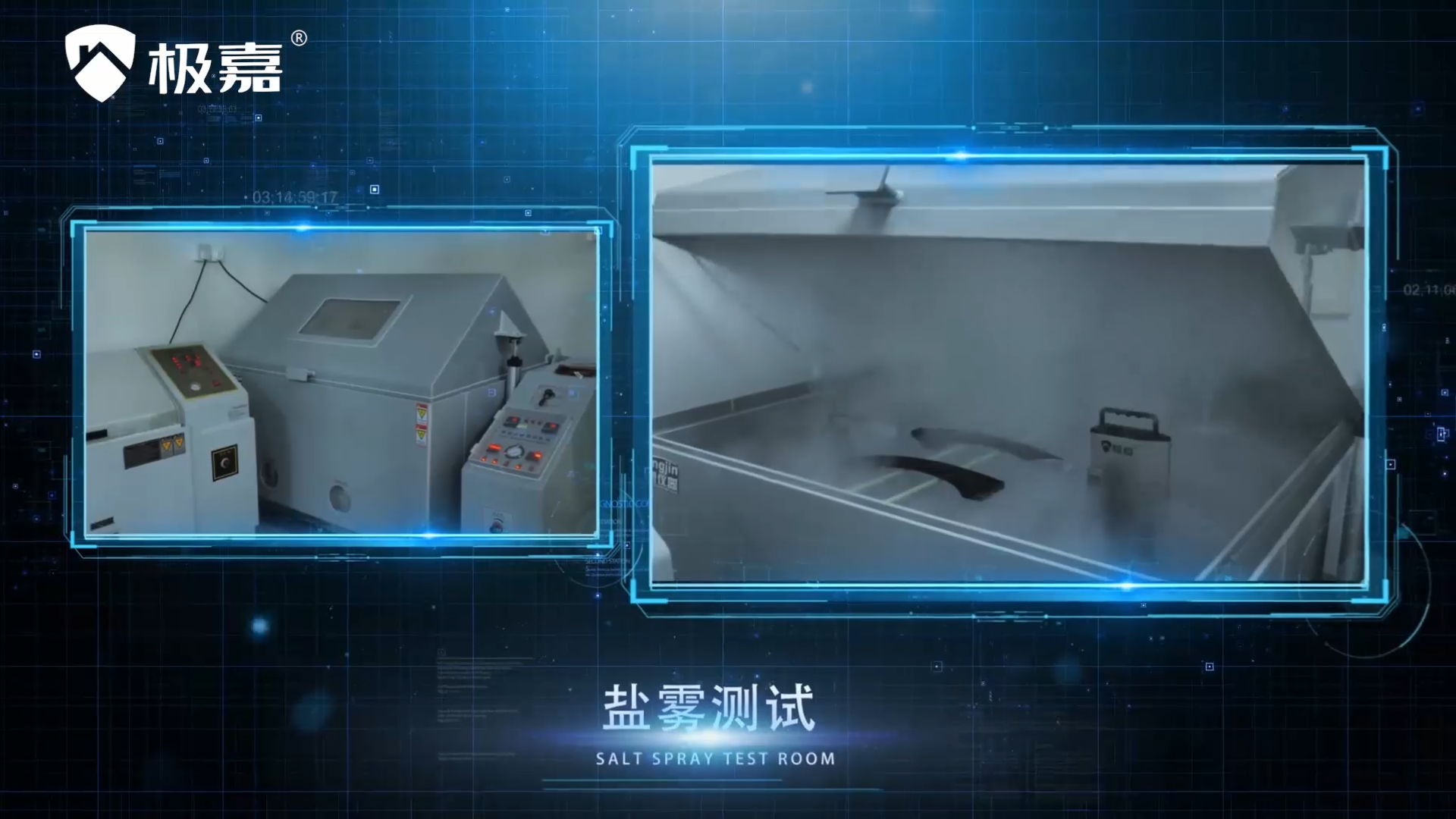
- Resisting Electrochemical Corrosion: Salt accelerates metal oxidation. Without rigorous testing, lock handles, screws, and cylinders are prone to rust within a short period. High-level salt spray testing ensures that the lock surface utilizes corrosion-resistant plating or Physical Vapor Deposition (PVD) processes, effectively isolating salt erosion.
* Protecting Precision Electronics: Salt spray does not just corrode metal; it can also penetrate electronic contact points, leading to signal errors or short circuits. A high salt spray test rating implies that the lock possesses better sealing performance and stronger protective coatings, preventing corrosive salt spray from entering the interior and damaging core components.
* Ensuring Mechanical Stability: Coastal environments can lead to not only surface rust but also the jamming of mechanical components. Locks verified through this testing ensure that internal components continue to operate smoothly despite long-term exposure to high salt and high humidity.
How to Interpret Salt Spray Test Ratings?
Generally, the longer the duration of the salt spray test, the stronger the corrosion resistance:
* 48 Hours: Suitable for general indoor environments or semi-outdoor applications.
* 96 Hours: Suitable for standard residential outdoor locks, offering good corrosion resistance.
* Over 240 Hours: The top choice for harsh environments, especially for seaside villas, buildings near docks, or regions with high humidity. This ensures that the lock maintains structural integrity and a like-new appearance despite long-term salt spray exposure.
When selecting a smart lock, if your installation environment is located in a coastal or high-salt-spray region, be sure to pay attention to the product's environmental testing standards. A smart lock that has passed the salt spray test is not only a protection for its "appearance," but also a long-term investment in its "service life" and "home security." Choosing a smart lock with a high salt spray resistance rating is like installing a solid defense line for your home security to withstand the erosion of time and nature.