
 EN
EN
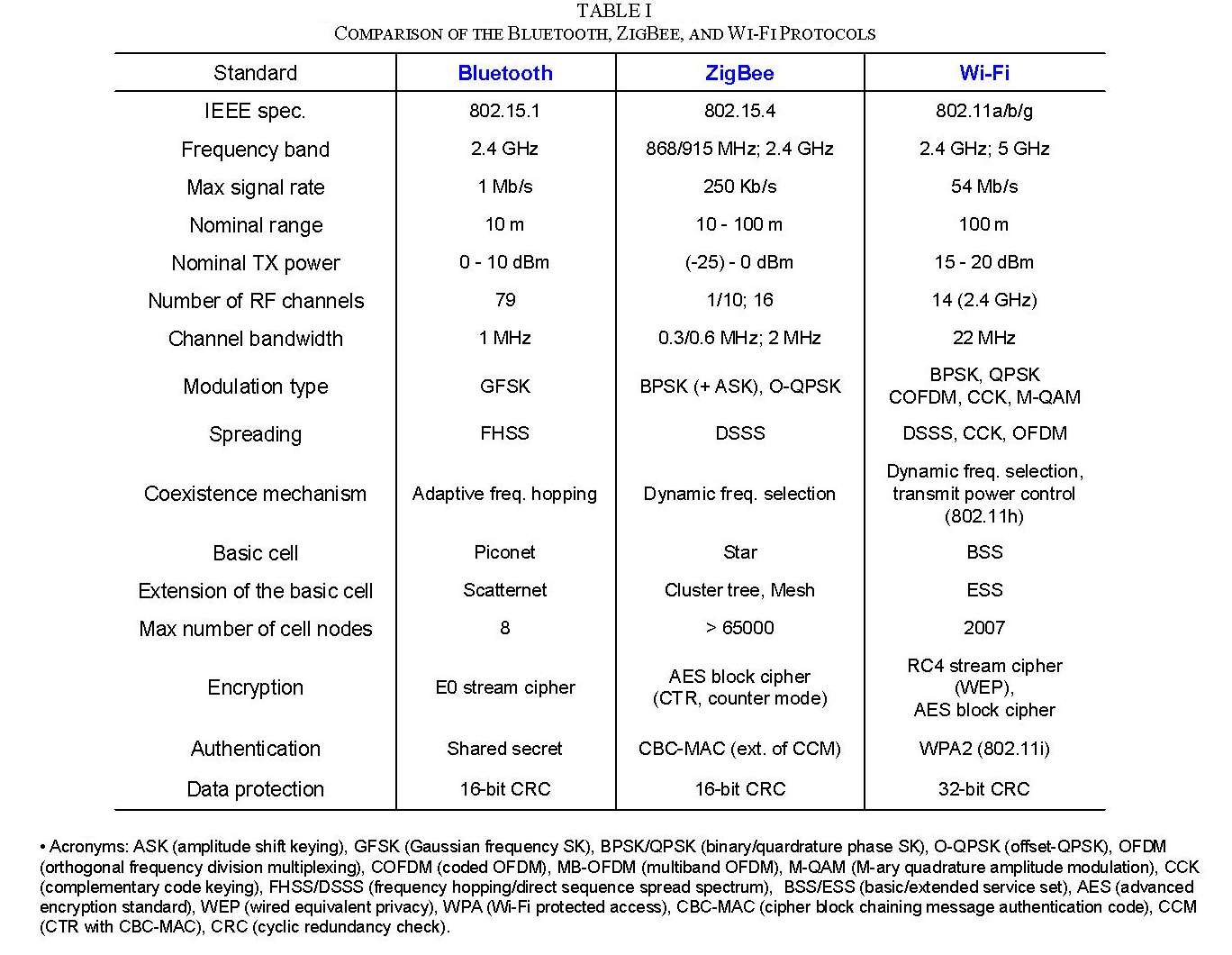
When selecting a smart lock, the wireless connectivity protocol is central to the user experience. Bluetooth, Zigbee, and Wi-Fi are the three mainstream technologies currently available, each with distinct advantages and disadvantages. Among these, the Wi-Fi Smart Lock has become one of the most notable and easiest-to-deploy solutions on the market, thanks to its significant advantage of connecting directly to a home network without requiring an additional gateway. This article will clearly analyze the differences between these three technologies for you.
Overview of the Three Technologies: Positioning and Differences
Before delving deeper, let's quickly understand the basic positioning of each technology:
Bluetooth Smart Lock: Focuses on short-range, point-to-point connections. Unlocking operations heavily rely on the phone being near the lock (typically within 10 meters). It is the most basic and cost-effective smart connectivity method. Its core advantage is extremely low power consumption, leading to long battery life, but it cannot achieve true remote control.
Zigbee Smart Lock: This is a low-power mesh network protocol that requires a gateway. The lock must connect to a separate Zigbee gateway, which then connects to the home router. Its advantages are network stability, low latency, and excellent power management, making it suitable for building large-scale smart home systems with dozens of devices. However, adding a gateway means extra cost and setup steps.
Wi-Fi Smart Lock: This is the Wi-Fi Smart Lock, the main focus of this article. It can connect directly to your existing home Wi-Fi router without any additional gateway devices. This inherently gives it powerful remote access capabilities.
For the vast majority of users seeking convenience and a plug-and-play experience, the Wi-Fi Smart Lock offers the most direct smart value. Its core advantages are reflected in:
True Remote Control and Real-Time Status: This is the most decisive advantage of a Wi-Fi Smart Lock. Whether you are at the office, airport, or another country, as long as your phone has an internet connection, you can generate temporary passwords for family or guests, check the lock status (locked/unlocked), and receive real-time alarm alerts anytime, anywhere. This unrestricted control over distance is difficult for Bluetooth and Zigbee to match.
Extremely Simple Deployment, No Extra Hardware Needed: Users do not need to purchase, set up, or maintain a separate gateway. The installation and configuration process usually only requires connecting to the home Wi-Fi network within an app, greatly reducing the technical barrier and complexity. This is a huge convenience for ordinary families who do not want to delve into smart home architecture.
Strong Ecosystem Integration Potential: Wi-Fi Smart Locks based on mainstream IoT platforms like Tuya can easily integrate with major voice assistants like Amazon Alexa and Google Home for voice control. Furthermore, within the same Wi-Fi network, they can also achieve scene automation with other smart devices through cloud-to-cloud integration.
After understanding these differences, your choice becomes clearer:
Pursuing Ultimate Convenience & Remote Access, Wanting Out-of-the-Box Use: The Wi-Fi Smart Lock is your first choice. It provides the most intuitive and comprehensive smart experience, especially suitable for families making the smart lock their first or one of a few smart devices.
Extremely Focused on Battery Life (Changing every few years) and Needing Only Near-Field Unlocking: A Bluetooth Smart Lock is a cost-effective choice.
Building a Complex Whole-Home Smart System with Numerous Sensors/Switches and Having Very High Requirements for Network Stability & Low Latency: You may consider a system based on protocols like Zigbee, but you must accept the presence of an extra gateway.
Choosing a wireless protocol is, in essence, finding a balance between power consumption, convenience, and powerful functionality. The Wi-Fi Smart Lock achieves the optimal balance between convenience and functionality with its excellent remote access capability, extremely simple deployment, and strong ecosystem compatibility. It fully embodies the meaning of "smart" in a smart lock—not just a change in the unlocking method, but a new possibility for seamless, anytime, anywhere management of home security. For most users who want to enjoy a smart lifestyle in one step, a stable and reliable Wi-Fi Smart Lock is undoubtedly the convenient key to the future home.