
 EN
EN
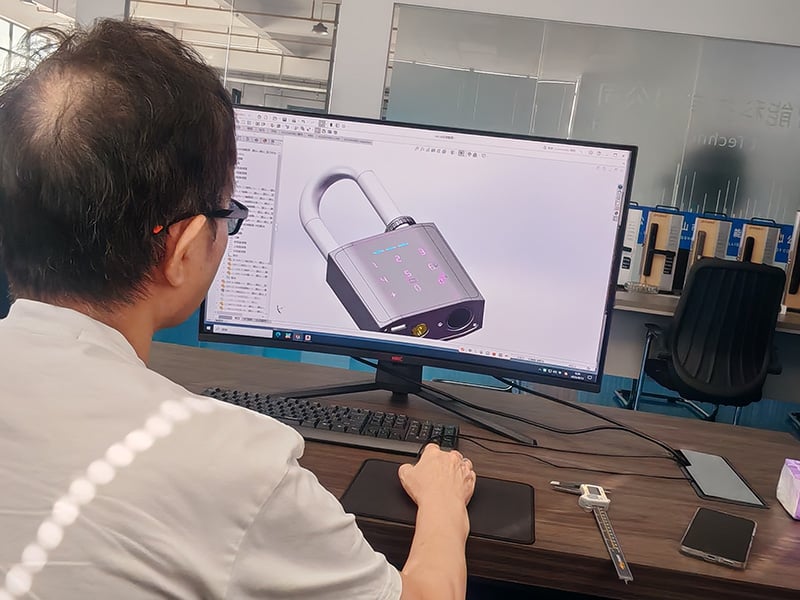
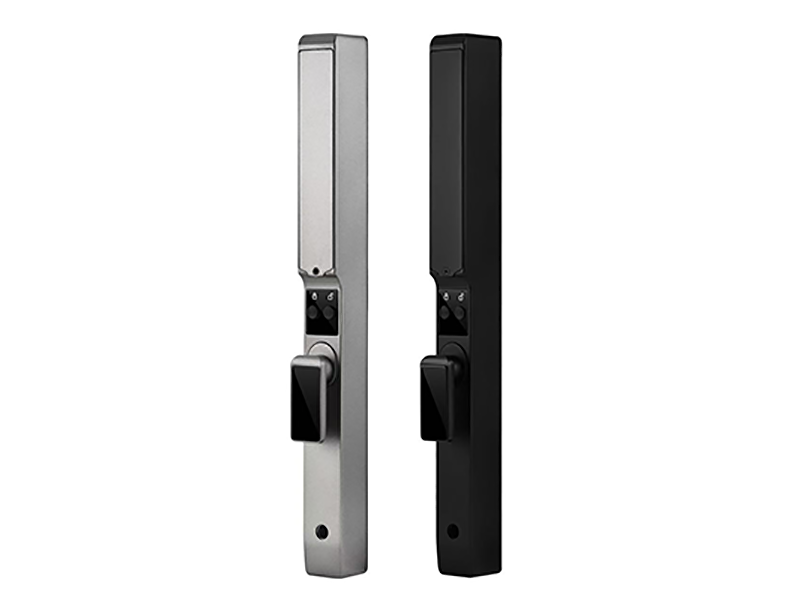
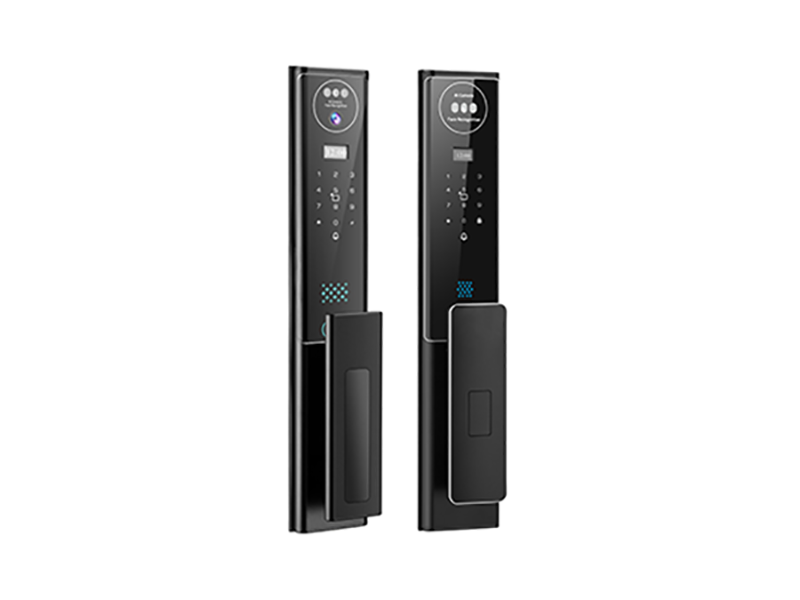
Smart locks bring immense convenience to our lives, yet many people encounter the same awkward situation in daily use: standing outside the door, pressing their fingerprint repeatedly, only for the lock to frequently report an error, sometimes forcing them to resort to a backup key. Fingerprint recognition failure in smart locks not only affects one’s mood but also diminishes the quality of life.
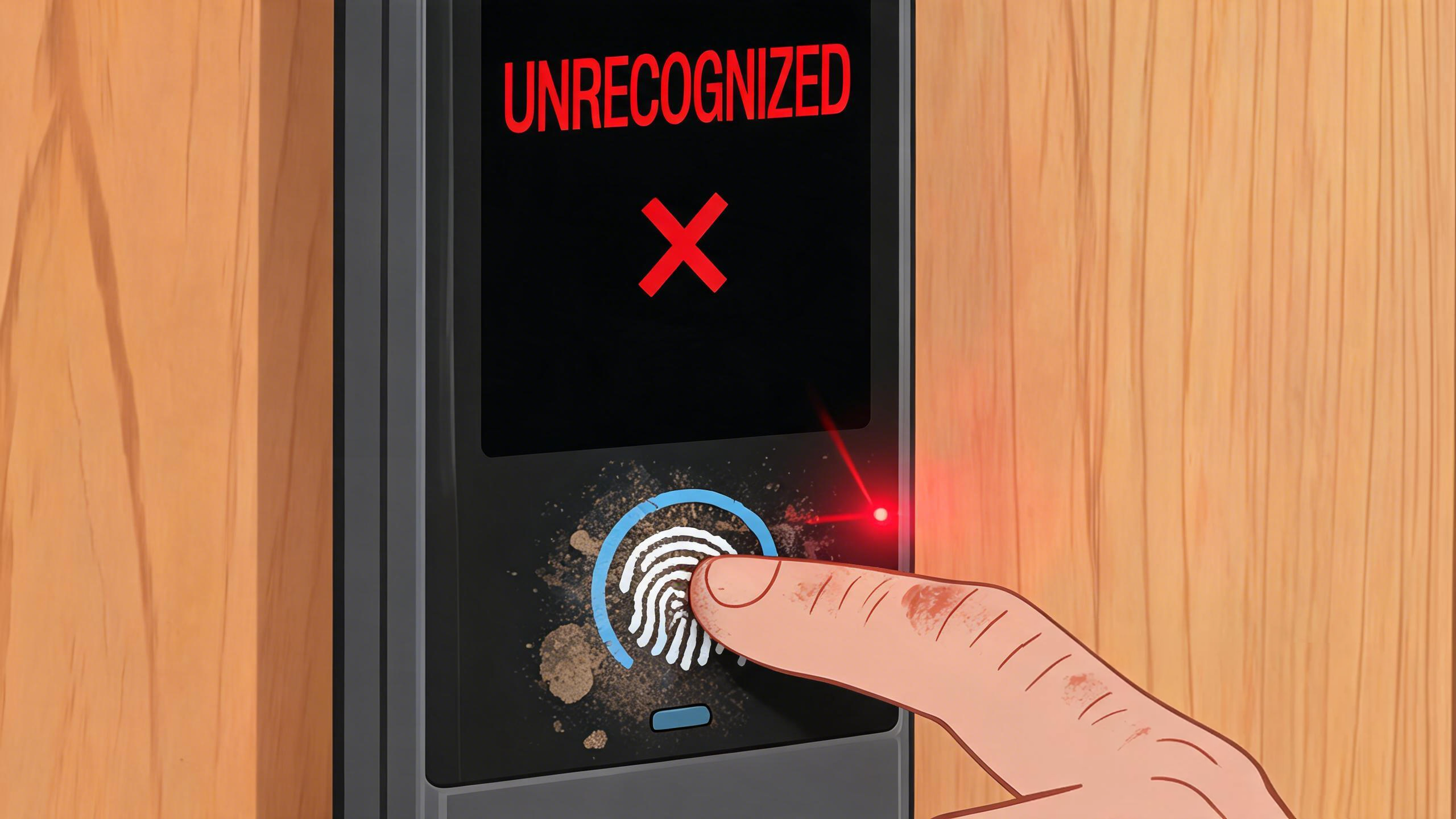
Why does a smart lock always fail to recognize you? In fact, it does not necessarily mean the lock is broken; it is often due to the physical characteristics of the fingerprint module, usage habits, or environmental factors. Today, we provide a professional, in-depth analysis of common issues with fingerprint identification modules.
I. Physical Imperfections of the Fingerprint Itself
The core principle of fingerprint recognition is the extraction of textural features. If the fingerprint information is not clear, recognition will naturally be obstructed.
* Fingerprint Wear and Dryness: For the elderly, those engaged in long-term manual labor, or users whose skin peels due to seasonal changes, fingerprint textures can be blurry, making it difficult for the module to capture effective feature points.
* Excessive Moisture or Dirt: Sweat, grease, paint, dust, and other contaminants on the finger can cover the fingerprint surface, altering the texture distribution and preventing the recognition system from performing an accurate match.
Avoidance Tips: When registering fingerprints, try to register multiple fingers (such as the index and middle fingers of both hands). Keep the fingerprint module surface clean, wipe away dirt from your fingers before use, and slightly moisten your fingertips during dry seasons.
II. Hardware Aging and Contamination of the Recognition Module
As a high-frequency contact component, the fingerprint module will inevitably experience performance degradation after long-term use.
* Scratches or Contamination of the Sensor Area: Although the protective cover of a fingerprint sensor is wear-resistant, long-term use may inevitably lead to fine scratches or the accumulation of oil, which can block the precise scanning of fingerprint features.
* "Aging" of Optical Modules: If you are using older optical recognition technology, the imaging quality may decline over time due to reduced contrast and aging of photosensitive components, leading directly to fluctuations in recognition rates.
Avoidance Tips: Periodically wipe the fingerprint recognition area with a clean, soft microfiber cloth. Avoid using strong acids, alkalis, or rough cleaning tools to prevent damaging the sensing surface. When purchasing, prioritize products equipped with semiconductor live fingerprint recognition technology.
III. Deviations in Registration Habits and Pressing Posture
Often, recognition fails because of a mismatch between "careless registration" and "careless use," resulting in low compatibility.
* Incomplete Registration Area: Many people only press the center of their fingertip when registering a fingerprint, but in daily use, their finger position deviates significantly, leading to a mismatch in areas outside the registered range.
* Improper Pressing Force: Some users like to press hard, while others press very lightly. Different levels of force can change the contact area and skin texture shape of the finger, causing it to differ from the feature information stored in the system.
Avoidance Tips: During registration, try to cover the sensing area with your finger in a natural state, rotate your finger at multiple angles, and ensure the edges of the fingerprint are covered. When unlocking, maintain a pressing habit and natural force similar to those used during registration.
Although fingerprint recognition failure can be frustrating, it can be optimized in most cases. By improving finger cleanliness, adjusting pressing habits, and performing regular maintenance on the recognition module, you can effectively improve your unlocking experience. Of course, the key to solving the problem at the source lies in choosing a high-quality smart lock with solid hardware specifications. After all, good technology should serve life, not create trouble.