
 EN
EN
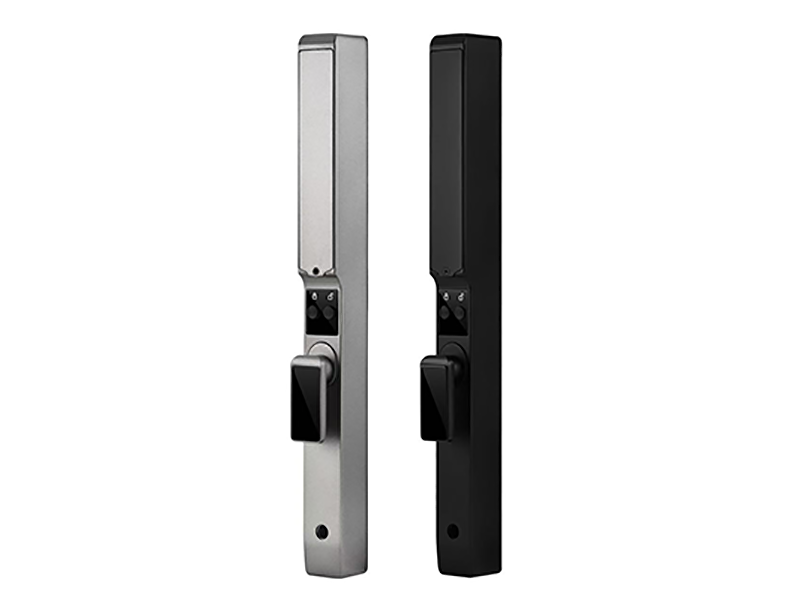
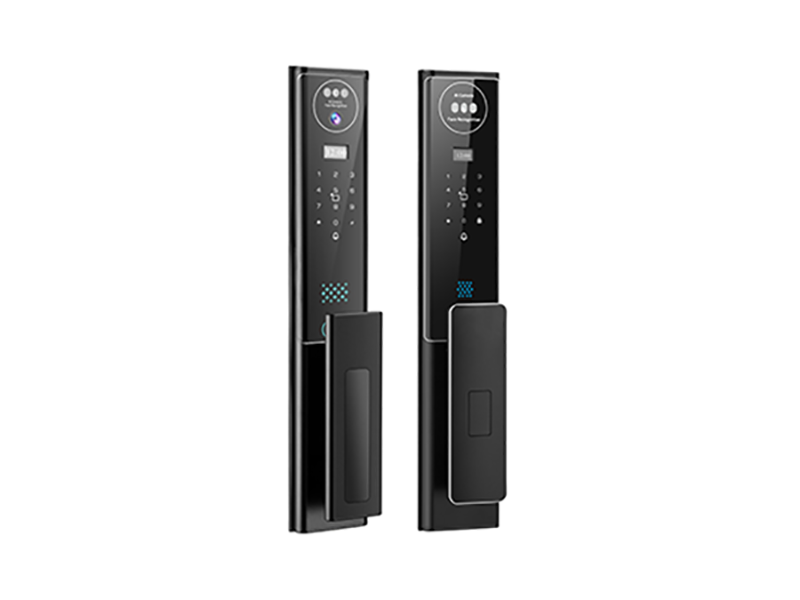
Upgrading to a smart lock for your home or business is a key step towards enhanced security and convenience. However, the most common concerns for many users before purchasing are: "Will it fit my door? Is the installation process complicated?" A clear and professional Smart Lock Installation Guide exists precisely to address these concerns. This article aims to provide you with a concise How to Install Smart Lock guide, from assessing compatibility to completing the installation, helping you successfully make the upgrade.
Step 1: Pre-Installation Preparation – Ensuring Compatibility is Half the Battle
Thorough preparation before starting is crucial to ensure the smart lock you choose is a perfect match for your door.
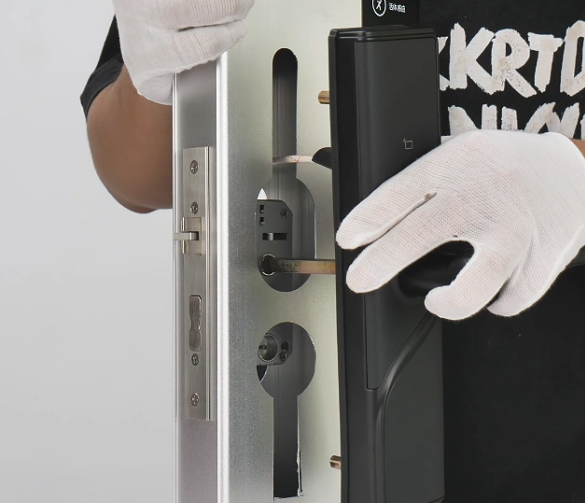
Tool Preparation: Typically, installing a smart lock requires basic tools: a set of screwdrivers (Phillips and flat-head), a measuring tape, a pencil, and potentially a power drill.
Key Measurements (Compatibility Check): This is the most critical part of any Smart Lock Installation Guide. You need to measure three key dimensions:
Lock Body Type and Size: Measure the distance from the center of the existing crossbore (the hole for the lock cylinder) to the edge of the door (known as the "backset").
Door Thickness: Measure the overall thickness of the door to ensure the smart lock's latch assembly is long enough.
Existing Hole Positions: Measure the distance between the centers of the existing crossbore and the handle hole (if applicable). After completing these measurements, compare them with the product specifications or consult customer service to confirm compatibility. This is the first step to ensuring a smooth installation.
Step 2: Core Installation Process – Step-by-Step Instructions
Once compatibility is confirmed, you can begin the installation. Here is an overview of the core steps in a general How to Install Smart Lock process:
Remove the Old Lock: Using a screwdriver, sequentially remove the interior and exterior plates, the lock cylinder, and the lock body of the old lock.
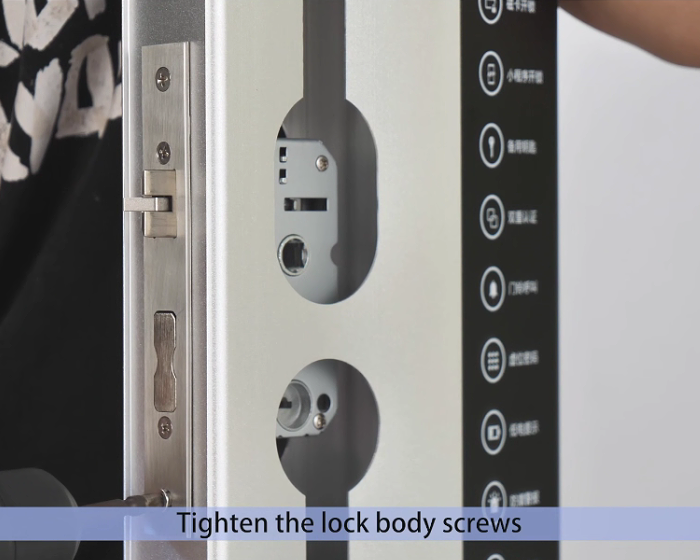
Install the New Lock Body: Place the new smart lock's lock body into the edge of the door and secure it. Ensure the latch extends and retracts smoothly, then install the new lock cylinder. This is the foundation of physical security.
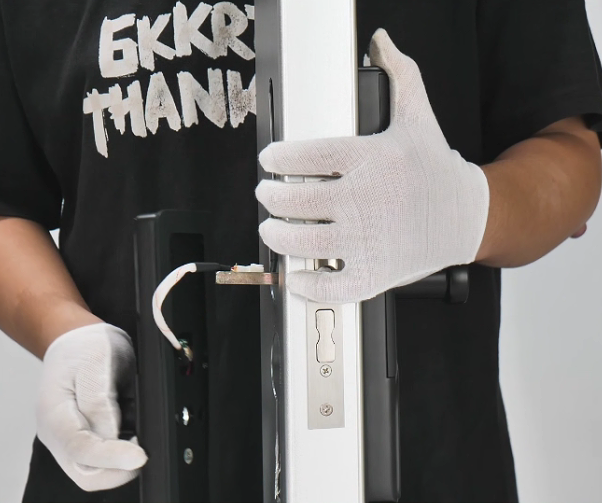
Connect the Front and Rear Plates: This is the key step in smart lock installation. Pass the connecting square rod or data cable from the front plate (exterior plate) through the hole in the door, and securely connect it to the corresponding port on the rear plate (interior plate). Many designs feature a quick-install structure that simply snaps into place.
Secure and Test: Use the provided screws to firmly fix the interior and exterior plates on both sides of the door. After installation, repeatedly test the handle operation and the latch extension/retraction to ensure smooth, non-sticking movement.
Function Initialization: Follow the manual's instructions to install the batteries and complete the initial setup, such as adding an administrator and registering fingerprints or passcodes.
The Value of Professional Installation: Why It's Sometimes the Better Choice
Although many smart locks are designed for user-friendly DIY installation, opting for professional installation offers irreplaceable value:
Precision and Efficiency: Professional installers are experienced and can quickly handle various non-standard door types or unexpected installation issues, ensuring success on the first try.
Guaranteed Performance and Warranty: Correct installation directly affects the lock's durability, security, and weatherproofing (water/dust resistance). Installation by certified personnel often better ensures product warranty coverage.
Saves Time and Effort: You avoid the need to study complex diagrams or operate power tools yourself, leaving professional tasks to the professionals.
A detailed Smart Lock Installation Guide is more than just step-by-step instructions; it's your assurance for a confident lock upgrade. By following the correct How to Install Smart Lock process—starting with precise measurement, proceeding with careful installation, and concluding with final functional testing—you will easily enjoy the new security experience a smart lock brings. Remember, whether you choose the DIY challenge or trust a professional service, ensuring a flawless installation is the true beginning of smart protection.